Are you frustrated because your Whirlpool water heater isn’t working like it used to? You rely on it every day for hot showers, washing dishes, and keeping your home comfortable.
When it starts acting up, it can throw off your entire routine. But don’t worry—understanding the common Whirlpool water heater problems and how to fix them can save you time, money, and stress. Keep reading to find out what might be causing your heater to fail and how you can get it back to running smoothly.
Common Whirlpool Water Heater Issues
Whirlpool water heaters are popular for their reliability and efficiency. Yet, like all appliances, they can face common issues over time. Understanding these problems helps in quick diagnosis and repair. This keeps your hot water running smoothly without long interruptions.
Recognizing the signs of trouble early can save money and prevent bigger damage. Below are some frequent issues Whirlpool water heaters experience. Each problem affects the heater’s performance in different ways.
No Hot Water
No hot water is a common complaint. It can happen due to a faulty heating element or a broken thermostat. Sometimes, the pilot light goes out on gas models. Electric models may have a tripped circuit breaker. Checking these parts often solves the issue quickly.
Inconsistent Water Temperature
Water that changes temperature suddenly is frustrating. This may result from a failing thermostat or sediment build-up in the tank. Sediment reduces heating efficiency and causes uneven heat. Adjusting or replacing the thermostat usually fixes this problem.
Water Leaks
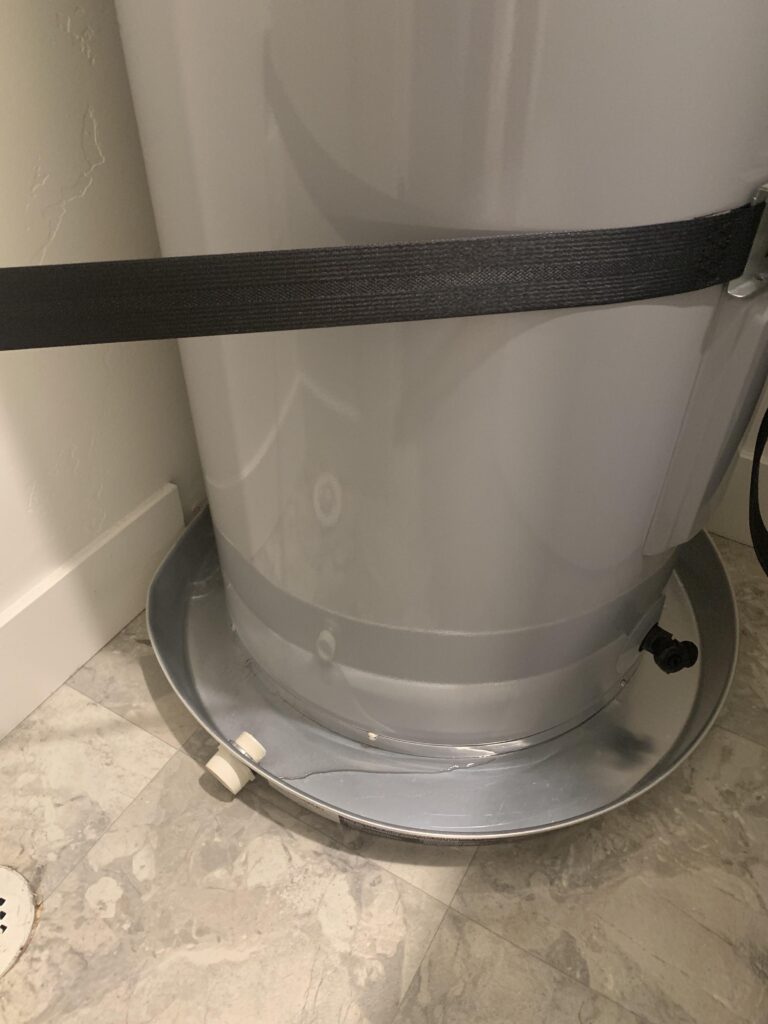
Leaks around the water heater cause water damage and waste energy. Leaks can come from loose connections, a faulty pressure relief valve, or corrosion in the tank. Identifying the leak source is crucial to prevent further damage. Sometimes, replacing a valve or tightening fittings is enough.
Strange Noises
Unusual sounds like popping, banging, or rumbling come from sediment inside the tank. Sediment traps water, heating it unevenly. As the water heats, the sediment causes noise. Flushing the tank regularly can reduce these sounds and improve heater efficiency.
Pilot Light Problems
The pilot light may go out or fail to ignite on gas water heaters. This stops the heater from warming water. Causes include a dirty pilot tube, faulty thermocouple, or gas supply issues. Cleaning or replacing parts often restores the pilot light’s function.

Credit: www.icecreamfactoryny.com
Troubleshooting Steps
Troubleshooting Whirlpool water heater problems can save time and money. Start with simple checks before calling a technician. This guide helps find common issues quickly. Follow clear steps to fix basic problems yourself. Always ensure safety first by turning off power sources.
Checking The Power Supply
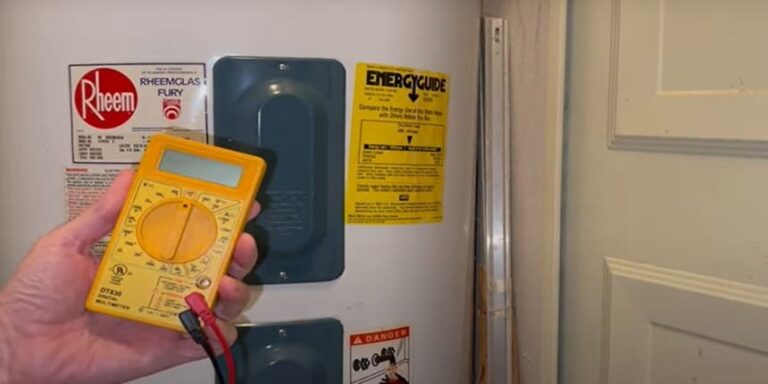
Confirm the water heater is getting power. Look at the circuit breaker or fuse box. Reset any tripped breakers or replace blown fuses. Test the power switch near the heater. Use a voltage tester to check electrical connections. No power means the heater won’t work at all.
Inspecting The Thermostat
The thermostat controls water temperature. Set it between 120 and 140 degrees Fahrenheit. Check if the heater produces hot water. A faulty thermostat may cause no heat or too much heat. Replace the thermostat if it shows no response. Use a multimeter to test for continuity.
Examining The Heating Element
The heating element warms the water inside the tank. Remove the access panel to find it. Look for signs of damage or corrosion. Use a multimeter to test for electrical resistance. Replace the element if it is broken or burned out. A bad element causes lukewarm or cold water.
Assessing The Pressure Relief Valve
This valve prevents excess pressure build-up. Lift the valve handle to check for leaks. Water should flow freely and stop when released. If it leaks continuously, the valve may need replacement. A faulty valve can cause dangerous pressure levels. Test it regularly for safety.
Diy Fixes For Minor Problems
Minor problems with your Whirlpool water heater can often be fixed without a professional. Simple DIY fixes save time and money. Basic tools and safety steps are all you need. These easy repairs keep your water heater running smoothly. Follow clear instructions to handle common issues yourself.
Resetting The Water Heater
Resetting the water heater can solve many small issues. First, turn off the power supply. Locate the reset button on the thermostat. Press the button firmly until it clicks. Wait a few minutes before turning power back on. This often clears minor faults and restores normal function.
Flushing The Tank
Flushing removes sediment build-up inside the tank. Turn off the power and water supply. Connect a hose to the drain valve at the bottom. Open the valve and let water flow out. Close the valve once the water runs clear. Regular flushing improves heater efficiency and extends its life.
Replacing The Thermostat
A faulty thermostat can cause temperature problems. Turn off the power before starting work. Remove the cover panel to access the thermostat. Disconnect the wires carefully and remove the old thermostat. Install the new one and reconnect the wires. Replace the cover and restore power to test.
Tightening Loose Connections
Loose electrical or plumbing connections can cause leaks or power loss. Turn off power and water first. Check all visible connections and fittings. Use a wrench or screwdriver to tighten screws and nuts. Tight connections improve safety and heater performance.
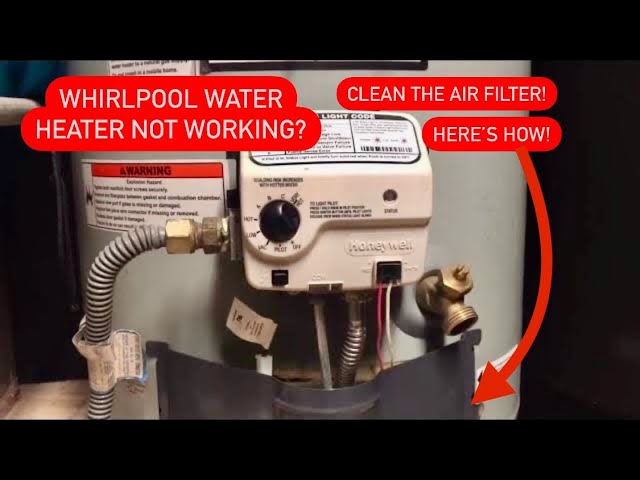
Credit: www.youtube.com
When To Call A Professional
Knowing when to call a professional for Whirlpool water heater problems can save time and money. Some issues need expert attention to avoid bigger damage. Recognizing these signs helps keep your home safe and your water heater working well.
Persistent Leaks
Small drips may seem harmless at first. Persistent leaks often mean a worn-out part or a crack. Water damage can happen quickly. A professional can find the leak source and fix it properly. Avoid waiting too long to call for help.
Electrical Issues
Water heaters use electricity to heat water. Flickering lights or tripped breakers may signal electrical problems. Handling electrical parts is dangerous without experience. A trained technician can safely diagnose and repair electrical faults.
Complex Component Replacement
Some parts, like thermostats or heating elements, need special tools to replace. Incorrect installation can cause more issues. Professionals have the right tools and skills to replace parts correctly. This ensures the water heater runs efficiently.
Safety Concerns
Gas leaks, strange smells, or unusual noises are serious warnings. These problems can put your family at risk. Do not try to fix these yourself. Call a professional immediately for a safe inspection and repair.
Maintenance Tips To Prevent Problems
Proper maintenance keeps a Whirlpool water heater working well for years. Small efforts prevent costly problems and extend the heater’s life. Follow these simple tips to avoid common issues and enjoy reliable hot water.
Regular Flushing Schedule
Flushing the tank removes sediment build-up. Sediment can cause rust and reduce heater efficiency. Flush the tank every six months to keep it clean. This helps the heater run smoothly and saves energy.
Inspecting Anode Rod
The anode rod protects the tank from rust. Check the rod once a year for wear or damage. Replace it if it is corroded. A good anode rod prevents leaks and extends tank life.
Monitoring Temperature Settings
Set the water temperature to 120 degrees Fahrenheit. Higher temperatures waste energy and can cause scalding. Lower settings save power and protect the heater from damage. Check the thermostat regularly to keep it safe.
Checking For Corrosion
Look for rust or leaks around the tank and pipes. Corrosion weakens the heater and causes leaks. Clean any rust spots and tighten loose connections. Early detection stops bigger problems later.
Choosing The Right Replacement Parts
Choosing the right replacement parts for your Whirlpool water heater is key to fixing problems properly. Using correct parts helps your heater work safely and last longer. Avoid cheap or wrong parts that cause more damage or stop the heater from working.
This guide covers important parts you need to check when replacing components in your Whirlpool water heater. Focus on thermostats, heating elements, and genuine parts to keep your heater running well.
Compatible Thermostats
Thermostats control the water temperature inside your heater. Using compatible thermostats ensures the heater heats water to the right level. Wrong thermostats can cause overheating or no heat at all. Choose thermostats designed for your Whirlpool model. This keeps temperature steady and safe for use.
Approved Heating Elements
Heating elements warm the water inside the tank. Only use approved heating elements made for Whirlpool water heaters. These parts fit perfectly and handle the power needed. Non-approved elements may burn out fast or cause electrical issues. Proper heating elements improve energy efficiency and water heating speed.
Genuine Whirlpool Components
Genuine Whirlpool components come from the original maker. These parts match your water heater’s design and quality standards. Using genuine parts reduces the risk of leaks and failures. They also keep your warranty intact. Always buy parts from trusted sources to get real Whirlpool components.

Credit: www.youtube.com
Frequently Asked Questions
Why Is My Whirlpool Water Heater Not Heating?
A Whirlpool water heater may not heat due to faulty heating elements or a tripped thermostat. Check the power supply and reset the breaker. Sediment buildup can also affect heating efficiency, so regular maintenance is essential.
How To Fix Whirlpool Water Heater Leaking Issues?
Leaks in Whirlpool water heaters often stem from loose connections or a damaged pressure relief valve. Inspect all fittings and tighten if needed. Replace faulty parts promptly to prevent water damage and maintain heater performance.
What Causes Whirlpool Water Heater To Make Noises?
Noises usually result from sediment buildup at the tank bottom. This causes popping or rumbling sounds during heating. Flushing the tank annually helps remove sediment and reduces noise, improving your water heater’s lifespan and efficiency.
How To Reset A Whirlpool Water Heater?
To reset, locate the red reset button on the thermostat panel. Turn off power first. Press the button firmly until you hear a click. Restore power and check if the heater starts working properly again.
Conclusion
Whirlpool water heater problems can disrupt daily life. Simple checks help spot common issues early. Regular care extends your heater’s lifespan. Fix small problems quickly to avoid big repairs. Knowing signs of trouble saves time and money. Trust your instincts if water feels cold or strange noises appear.
Keep your home comfortable with a working water heater. Stay aware and act fast for smooth hot water use.