Have you ever turned on your hot water only to be hit by a strange, rotten egg smell? That foul sulfur smell coming from your water heater can be both surprising and unpleasant.
You might be wondering if it’s dangerous, what’s causing it, and how you can fix it fast. Don’t worry—this guide will help you understand why your water heater smells like sulfur and what steps you can take to get rid of that nasty odor for good.
Keep reading to protect your home and enjoy fresh-smelling hot water again.
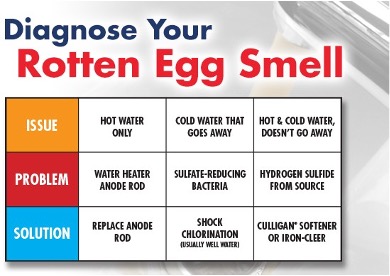
Credit: culliganjacksonville.com
Why Water Heaters Smell Like Sulfur
Water heaters sometimes give off a sulfur smell, like rotten eggs. This odor can be unpleasant and make using hot water uncomfortable. Understanding why this happens helps you find the right fix. Several factors cause this smell inside water heaters. The main reasons involve bacteria, the type of anode rod, and the water source itself.
Role Of Bacteria In Sulfur Odor
Bacteria that produce sulfur compounds can grow inside water heaters. These bacteria feed on sulfate in the water and create hydrogen sulfide gas. This gas smells like rotten eggs. Warm water tanks provide an ideal environment for these bacteria to grow. Once the gas forms, it spreads through the hot water.
Impact Of Anode Rod Type
The anode rod inside your water heater protects it from rust. Some rods, like magnesium ones, can react with bacteria and water to create sulfur smells. Aluminum rods tend to produce less odor. Changing the anode rod can reduce or stop the rotten egg smell. The right rod type matters a lot for odor control.
Water Source And Sulfur Levels
Water from wells often has higher sulfate levels than city water. Sulfates in water feed the bacteria that cause the sulfur smell. The more sulfate in your water, the stronger the odor can be. Testing your water source helps identify if sulfate is a problem. Treating the water may be necessary to reduce sulfur smells.
Diagnosing The Sulfur Smell Issue
Detecting the cause of a sulfur smell from a water heater is key to solving the problem. The odor usually means hydrogen sulfide gas is present. This gas smells like rotten eggs and can come from the water or the heater itself. Diagnosing the issue requires careful checks and testing. Start with basic steps to find the source and fix it properly.
Testing Water For Hydrogen Sulfide
First, test the water for hydrogen sulfide. Use a simple test kit from a hardware store. Take a sample of hot water from the tap. Follow the kit instructions to check for the gas. If the test is positive, the water supply likely has sulfur bacteria. This bacteria creates the rotten egg smell. Knowing this helps target the right solution.
Checking The Anode Rod Condition
The anode rod inside the water heater can cause sulfur smells. This rod protects the tank from rust. Some rods, especially magnesium types, react with bacteria. This reaction produces hydrogen sulfide gas. Inspect the rod by turning off power and draining some water. Remove the rod and check for corrosion or slime. Replace it if damaged or old. A new rod can stop the smell.
Inspecting Water Heater Components
Look over other parts of the water heater. Sediment buildup at the tank bottom can trap bacteria. Flush the tank to clear sediment. Check the temperature setting too. Lower heat allows bacteria to grow. Raise the temperature to about 140°F to kill bacteria. Inspect valves and pipes for leaks or damage. Fixing these parts helps remove the sulfur odor.
Effective Fixes For Sulfur Smell
Dealing with a sulfur smell from your water heater can be frustrating. This odor often means bacteria or chemical reactions inside the tank. Fixing this issue quickly improves your water quality and home comfort. The following methods help remove the smell effectively.
Flushing And Cleaning The Tank
Flushing the tank clears out sediment and bacteria buildup. Turn off the heater and let the water cool. Open the drain valve and let water flow out. This removes debris that causes the smell. Clean the tank with a mild solution to kill bacteria. Regular flushing prevents future odor problems.
Replacing The Anode Rod
The anode rod protects the tank from corrosion. Over time, it can cause the sulfur smell. Remove the old rod and check its condition. Replace it with a new rod made of aluminum or zinc alloy. This reduces bacteria growth and stops the rotten egg odor. Inspect the rod every few years for best results.
Using Water Treatment Solutions
Water treatment can control bacteria and minerals causing odors. Install a water softener or filter system to improve water quality. Treating the water reduces sulfur bacteria and other contaminants. Choose a system that fits your water type and needs. This method helps maintain fresh, clean water long-term.

Credit: joneakes.com
Preventing Sulfur Odor In Future
Preventing sulfur odor in your water heater keeps your home fresh and safe. A rotten egg smell often comes from bacteria reacting with the water heater. Taking steps early helps stop this smell from coming back. Simple care and smart choices make a big difference.
Regular Maintenance Tips
Flush your water heater every six months. This removes sediment where bacteria grow. Check the temperature setting; keep it above 120°F. Lower temperatures help bacteria thrive. Clean the tank and parts to stop odor build-up. Call a professional if you notice a strong smell.
Choosing The Right Anode Rod
The anode rod protects your water heater from rust. Some rods cause sulfur smells. Aluminum rods often react and create odor. Use a zinc or aluminum-zinc alloy rod instead. These rods reduce bacteria growth that causes the smell. Replace the rod every few years to keep it effective.
Water Softening And Filtration Options
Hard water can increase sulfur odors. Install a water softener to reduce minerals. Soft water helps prevent bacteria growth in the heater. A carbon filter removes sulfur compounds from water. Use filters on your main water line or at the heater. Clean or change filters regularly for best results.
When To Call A Professional
Knowing when to call a professional for a water heater sulfur smell is important. Some problems are simple, but others need expert help. Acting at the right time can save your home and your health. It also prevents costly damage and keeps your water safe.
Signs Of Persistent Odor Issues
The sulfur smell stays even after flushing the tank. The odor is strong and lasts all day. You notice rust or discoloration in the water. You feel dizziness or nausea from the smell. The smell returns quickly after cleaning or repairs. These signs show the problem is deeper than a simple fix. A professional can find the root cause.
Complex Repairs And Replacements
The water heater has old or damaged parts causing the smell. The anode rod may need replacing, but it is hard to access. The tank may have bacteria buildup inside that needs special cleaning. Sometimes, the entire water heater must be replaced. Professionals have the right tools and skills for these tasks. They ensure the job is done safely and correctly.
Credit: revistaplot.com.br
Frequently Asked Questions
Why Does My Water Heater Smell Like Sulfur?
The sulfur smell usually comes from bacteria in the water heater. These bacteria react with the anode rod, producing hydrogen sulfide gas. This gas smells like rotten eggs and indicates bacterial growth inside the tank.
How Can I Fix Sulfur Smell In Water Heater?
Flush the tank regularly to remove bacteria and sediment. Replace the anode rod with a zinc or aluminum alloy rod. Consider disinfecting the tank with hydrogen peroxide or chlorine to eliminate bacteria causing the smell.
Is Sulfur Smell Harmful In Water Heater?
Hydrogen sulfide gas causes an unpleasant odor but is not usually harmful at low levels. However, it can corrode plumbing and cause respiratory irritation. It’s best to address the smell to ensure water safety and system longevity.
Can Water Heater Temperature Affect Sulfur Smell?
Yes, low temperatures encourage bacterial growth causing sulfur smell. Raising the water heater temperature to 140°F (60°C) can kill bacteria and reduce odor. Always follow safety guidelines to prevent scalding when adjusting temperatures.
Conclusion
A sulfur smell from your water heater signals a problem. This odor often means bacteria or chemical reactions inside the tank. Fixing it quickly keeps your water safe and fresh. Regular cleaning and maintenance help stop the smell from coming back.
Check your water heater often to catch issues early. Clean or replace the anode rod if needed. Simple steps protect your home and improve water quality. Don’t let the smell affect your daily life. Take action and enjoy clean, odor-free hot water again.