Are you frustrated with your Bosch on Demand water heater not working like it should? You rely on your water heater every day, and when it starts acting up, it can disrupt your whole routine.
Whether it’s inconsistent hot water, strange noises, or error codes popping up, these problems can leave you feeling stuck and unsure of what to do next. You’ll discover the most common Bosch on Demand water heater problems and easy ways to fix them.
Keep reading to get your hot water flowing smoothly again without stress or confusion.
Credit: www.tandooriflame.com.sg
Common Bosch Water Heater Issues
Bosch on demand water heaters are popular for their efficiency and space-saving design. Still, like all appliances, they can face some common problems. Knowing these issues helps you spot trouble early and keep your water heater running smoothly.
Here are some frequent problems Bosch water heaters might show. Understanding these can save time and prevent bigger repairs.
No Hot Water
No hot water is the most obvious issue. This can happen due to power failures or gas supply problems. Sometimes, the heating element or thermostat may fail. Checking these parts quickly restores hot water.
Water Temperature Fluctuations
Water temperature that changes suddenly can be frustrating. This usually points to a faulty temperature sensor or flow sensor. Sediment buildup inside the heater can also cause uneven heating. Regular cleaning helps keep temperature steady.
Low Water Pressure
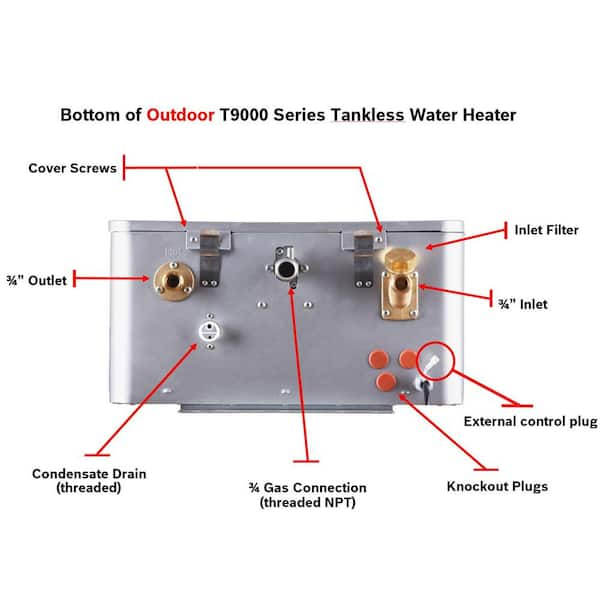
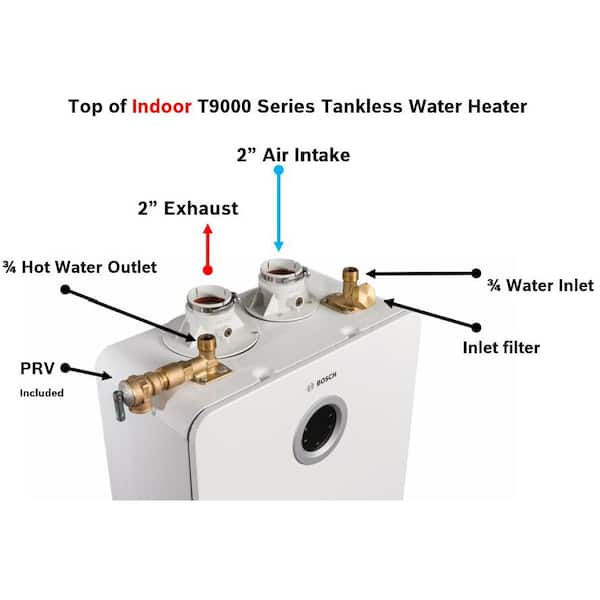
Low water pressure reduces the flow from your taps. This problem might come from clogged filters or pipes. Mineral deposits can block water flow inside the unit. Cleaning or replacing filters often solves this issue.
Strange Noises
Unusual sounds like banging or popping can mean trouble. These noises often come from mineral buildup on heating elements. The heater may overheat or work harder than usual. Flushing the system reduces noise and improves efficiency.
Error Codes
Bosch water heaters show error codes to signal problems. Each code points to a specific issue like ignition failure or sensor errors. Refer to the user manual to understand these codes. Addressing errors early prevents bigger damage.
Credit: marsu.edu.ph
Quick Fixes For No Hot Water
Having no hot water from your Bosch on demand water heater can be frustrating. Simple fixes can often solve the problem quickly. Follow these steps to check and restore hot water flow.
Checking The Power Supply
Start by ensuring the heater is plugged in properly. Check the circuit breaker in your home’s electrical panel. A tripped breaker can stop power to the heater. Reset the breaker if needed. Look for any loose wires or visible damage to the power cord. Power issues are a common cause of no hot water.
Resetting The Heater
Locate the reset button on your Bosch water heater. Press and hold it for a few seconds. This can clear minor faults and errors. Wait for a minute and turn the heater back on. Resetting can help if the unit overheated or stopped working suddenly. It is a quick way to restart the system.
Inspecting The Gas Supply
Check the gas valve to ensure it is open. No gas flow means no heat. Look for any smells or signs of leaks and call a professional if you detect them. Confirm the gas line is connected and the pilot light is on. Gas supply problems often cause the heater to stop producing hot water.
Resolving Temperature Fluctuations
Temperature fluctuations in Bosch on demand water heaters can cause discomfort. Water that suddenly becomes too hot or cold disrupts daily routines. Fixing these issues often requires simple maintenance steps. Following clear instructions helps restore consistent water temperature. This section covers three key ways to resolve temperature problems.
Adjusting Temperature Settings
Start by checking the temperature settings on your unit. The ideal setting is usually between 120°F and 130°F. Lower or raise the temperature slowly to find the right balance. Avoid setting it too high to prevent scalding risks. Adjustments can often solve minor temperature swings.
Cleaning The Filters
Dirty filters reduce water flow and cause temperature changes. Turn off the water heater and locate the filters. Remove them carefully and rinse under clean water. Use a soft brush for stubborn dirt. Clean filters improve water flow and stabilize temperature.
Flushing The Heater
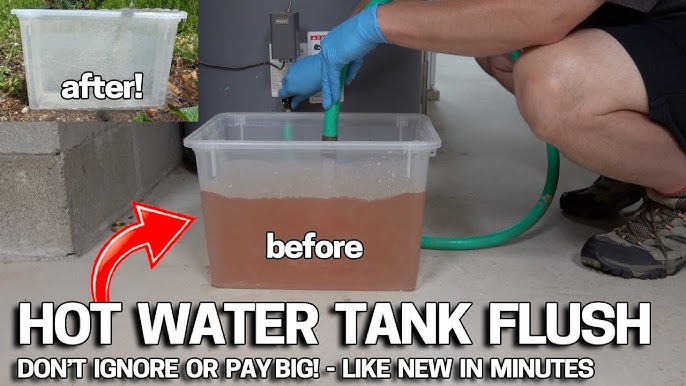
Mineral buildup inside the heater affects water heating. Flushing removes these deposits and helps maintain steady temperature. Turn off power and water supply before flushing. Connect a hose to the drain valve and empty the tank. Run clean water through the system until clear. Regular flushing prevents buildup and keeps water temperature steady.
Improving Water Pressure
Water pressure is key for a Bosch on demand water heater to work well. Low pressure can reduce hot water flow and cause frustration. Improving water pressure helps the heater deliver warm water quickly and evenly. Simple checks and fixes can boost pressure and improve your experience.
Clearing Blocked Pipes
Pipes can get blocked by dirt, rust, or mineral buildup. These blockages reduce water flow and pressure. Clear pipes by flushing them with clean water or using safe pipe cleaners. Regular pipe cleaning keeps water flowing freely. This step helps maintain good pressure for your water heater.
Checking The Pressure Valve
The pressure valve controls water flow into the heater. A faulty or stuck valve lowers pressure. Inspect the valve for damage or buildup. Clean or replace the valve if needed. A working pressure valve ensures steady water pressure for warm water on demand.
Fixing Unusual Noises
Unusual noises from your Bosch on-demand water heater can be annoying and signal underlying issues. These sounds often mean the unit needs attention. Fixing these noises helps keep your heater working well and extends its life.
Removing Sediment Build-up
Sediment can collect inside the water heater over time. This build-up causes popping or rumbling sounds. Flushing the heater removes sediment and stops the noise. To flush, turn off the heater and close the water supply. Open the drain valve and let the water flow out. Then, open the supply valve and let fresh water fill the tank. Repeat this process until the water runs clear. Regular flushing prevents sediment build-up and keeps the heater quiet.
Tightening Loose Parts
Loose parts inside the heater can cause rattling or buzzing sounds. Check screws, bolts, and fittings for tightness. Use a screwdriver or wrench to tighten any loose parts. Pay special attention to the mounting brackets and valves. Tight parts reduce vibrations and noise. Tightening loose parts also prevents damage to the heater. Make this a regular part of your heater maintenance.
Decoding And Handling Error Codes
Understanding error codes on your Bosch on Demand water heater helps fix issues fast. These codes show what problem the heater faces. Knowing what each code means saves time and avoids extra repairs. This guide explains common error codes and how to reset them safely.
Common Error Codes Explained
Code E1 means ignition failure. The heater can’t light the gas. Check the gas supply and pilot light.
Code E2 shows a flame failure. The flame went out during operation. Clean the burner or check the gas flow.
Code E3 warns of overheating. The water temperature is too high. Check the water flow and temperature sensor.
Code E4 signals a sensor problem. The temperature sensor might be faulty or disconnected. Inspect the sensor wiring.
Code E5 means a water flow error. The water flow is too low or blocked. Clear any clogs and check the filter.
Steps To Reset Error Codes
Turn off the water heater. Wait for 5 minutes before switching it back on.
Press and hold the reset button. Keep it pressed for 3 to 5 seconds.
Release the button. The heater should try to restart normally.
If the error returns, check the specific code again. Repair or replace parts if needed.
Always follow safety instructions in the manual. Contact a professional if unsure about repairs.
When To Call A Professional
Knowing when to call a professional for Bosch on demand water heater problems is important. Some issues need expert help to avoid damage or injury. Acting quickly can save time and money.
Identifying Serious Problems
Some signs show a serious problem with your water heater. If the heater leaks water, it needs a professional’s check. Strange noises like banging or popping sounds are warning signs. No hot water at all or water that is too hot means a fault. Sudden error codes on the display require expert diagnosis. These problems can cause damage or stop your heater from working.
Safety Precautions
Never try to fix electrical or gas parts yourself. Turn off power or gas supply before inspecting the heater. Avoid touching wires or gas valves to prevent shocks or leaks. Call a qualified technician who knows Bosch water heaters well. They follow safety rules and use the right tools. This keeps you and your home safe from harm.
Maintenance Tips To Prevent Problems
Proper maintenance helps keep your Bosch on demand water heater working well. Small steps can stop big problems. Regular care saves money and hassle. Follow these tips to extend your heater’s life and keep water hot.
Regular Cleaning
Clean your water heater often to avoid buildup. Dirt and minerals reduce heater efficiency. Wipe the outside and remove dust near vents. Flush the unit yearly to clear minerals inside. This keeps water flow steady and heating fast.
Scheduled Inspections
Check your heater at set times. Look for leaks, rust, or worn parts. Early checks catch issues before they grow. Write down what you find during inspections. This helps track the heater’s condition over time.
Using Quality Water Filters
Install good water filters to protect your heater. Filters stop dirt and minerals from entering the system. Cleaner water means fewer clogs and damage. Change filters as directed to keep water pure and heater safe.

Credit: www.kokido.com
Frequently Asked Questions
What Causes Bosch On Demand Water Heater To Stop Working?
Common causes include electrical issues, faulty sensors, or clogged filters. Regular maintenance prevents these problems and ensures smooth operation.
How To Fix Bosch On Demand Water Heater Error Codes?
Refer to the user manual for specific error codes. Resetting the unit or replacing faulty parts often resolves the issue quickly.
Why Is My Bosch Water Heater Not Producing Hot Water?
This may be due to a tripped circuit breaker, gas supply issues, or sediment buildup inside the heater. Check these components first.
How Often Should Bosch On Demand Water Heaters Be Serviced?
Annual servicing is recommended to maintain efficiency and prevent breakdowns. Professional inspection helps detect issues early and extend unit lifespan.
Conclusion
Bosch on Demand water heaters offer great convenience but may face some issues. Common problems include inconsistent water temperature and error codes. Regular maintenance helps keep the system running smoothly. Quick fixes can solve minor troubles without much hassle. For complex issues, professional help ensures safety and proper repair.
Knowing these problems helps you act fast and avoid bigger damage. Stay informed and keep your heater working well all year. Reliable hot water makes daily life easier and more comfortable.