Are you sure your water heater is set to the right temperature? Setting your water heater too low or too high can cause problems you might not expect.
If the temperature is too low, you risk bacteria growth and cold showers. Too high, and you could waste energy or even get burned. Finding the perfect balance is easier than you think—and it can save you money and keep your family safe.
Keep reading to discover the ideal minimum temperature for your water heater and why it matters to you.
Recommended Minimum Temperatures
Setting the right minimum temperature on your water heater is important. It keeps your water safe and helps save energy. Choosing the best temperature means balancing safety and efficiency. This section explains the recommended minimum temperatures for water heaters.
Standard Settings For Safety
Most experts suggest setting your water heater to at least 120°F (49°C). This temperature stops bacteria like Legionella from growing. It also prevents scalding accidents for adults and children. Many homes use this as the default safe setting. It provides hot water that is safe to use every day.
Adjusting For Efficiency
Lowering the temperature can save energy and reduce bills. Some people set their heater to 115°F (46°C) to cut costs. But too low a temperature risks bacteria growth and cold water. Finding a balance helps keep water hot enough without wasting energy. Adjust in small steps and check your comfort and safety.

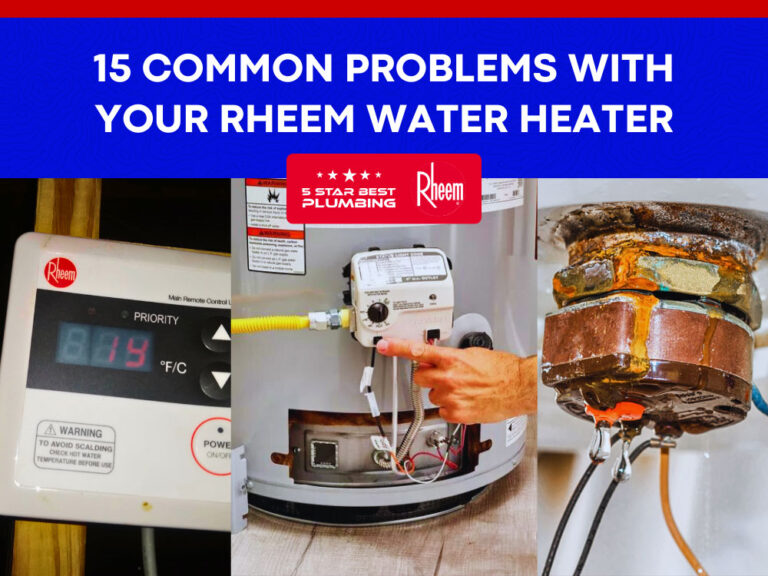
Credit: www.brethammond.com
Risks Of Low Temperatures
Setting a water heater too low can cause several problems. It affects safety and comfort in your home. Understanding these risks helps you avoid damage and health issues.
Bacterial Growth Concerns
Low water temperatures allow bacteria to grow. One common bacteria is Legionella. It can cause serious lung infections. Temperatures below 120°F (49°C) create a safe space for bacteria.
Keeping water hotter kills harmful germs. This prevents illnesses and protects your family’s health. Cold water tanks also increase bacteria risks.
Impact On Hot Water Supply
Low temperatures reduce hot water supply. Water may feel lukewarm or cold. This affects daily tasks like showering and washing dishes.
Heating water takes longer at low settings. Energy use may increase as heaters work harder. Proper temperature ensures steady, reliable hot water.
Balancing Safety And Savings
Setting the right water heater temperature is key for safety and savings. Too low a setting can cause bacteria growth, risking health. Too high wastes energy and may cause burns. Finding the balance helps protect your family and reduce bills.
Energy Consumption Insights
Water heaters use a lot of energy. Lowering the temperature by just a few degrees can cut costs. Each degree matters for your energy bill. Setting the heater at 120°F is often enough for daily needs. This temperature limits bacteria and saves power. Avoid temperatures above 140°F to reduce energy waste.
Smart Thermostat Use
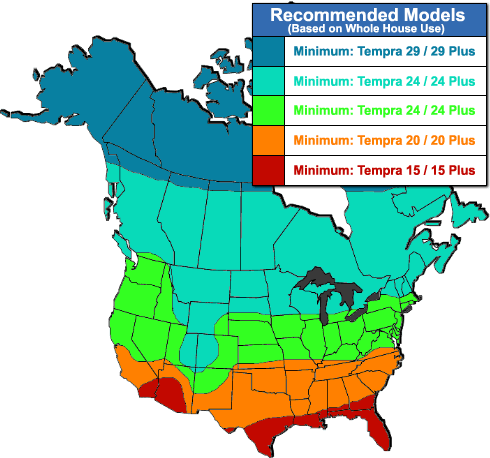
Smart thermostats offer precise control over water temperature. They adjust heating times based on your schedule. This reduces energy use when hot water is not needed. Some models learn your habits and optimize settings automatically. Using a smart thermostat helps keep your water safe and your bills low.
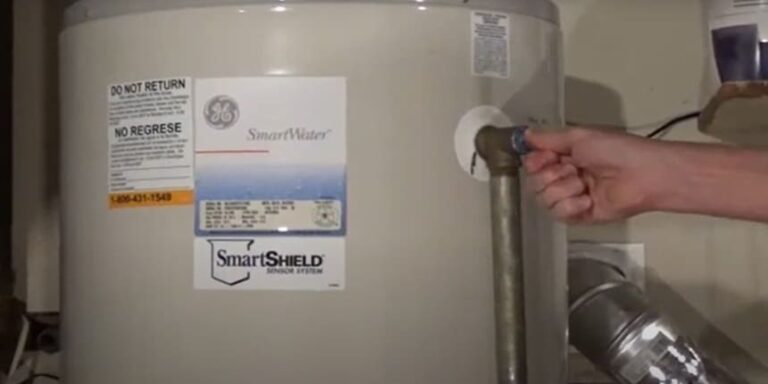
Credit: www.e-tankless.com
Maintenance Tips
Maintaining your water heater ensures it works safely and lasts longer. Simple care steps keep the water temperature steady and prevent damage. Regular upkeep also saves energy and lowers costs.
Regular Temperature Checks
Check your water heater’s temperature monthly. The best setting is usually 120°F. Too high can cause burns. Too low might let bacteria grow. Use a thermometer to measure water heat at a faucet. Adjust the heater’s thermostat if needed.
Flushing And Inspection
Flush your water heater every six months. This removes sediment that builds up inside the tank. Sediment lowers efficiency and can cause corrosion. Turn off the heater, then drain some water. Check pipes and valves for leaks or rust. Clean and fix small problems early to avoid big repairs.
Special Considerations
Setting the right water heater temperature needs careful thought. Some homes need special care. Safety and comfort are the top priorities. The right temperature can protect family members and save energy. Below are some special points to consider for certain situations.
Homes With Children Or Elderly
Children and elderly people have sensitive skin. Hot water can burn them quickly. Set the water heater to no more than 120°F (49°C). This temperature is hot enough for daily use. It also reduces the risk of scalding. Use anti-scald devices for extra safety. Check the water temperature regularly to keep it safe.
Seasonal Temperature Adjustments
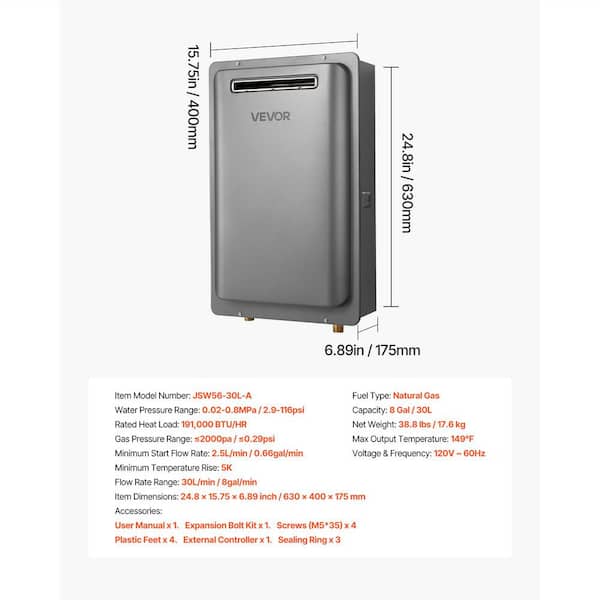
Water needs change with the seasons. Colder months may require a higher temperature. This helps keep water warm and comfortable. In warmer months, lower the temperature to save energy. Adjusting the temperature seasonally avoids wasting fuel. It also helps maintain safe water levels year-round. Remember to keep the temperature within safe limits.
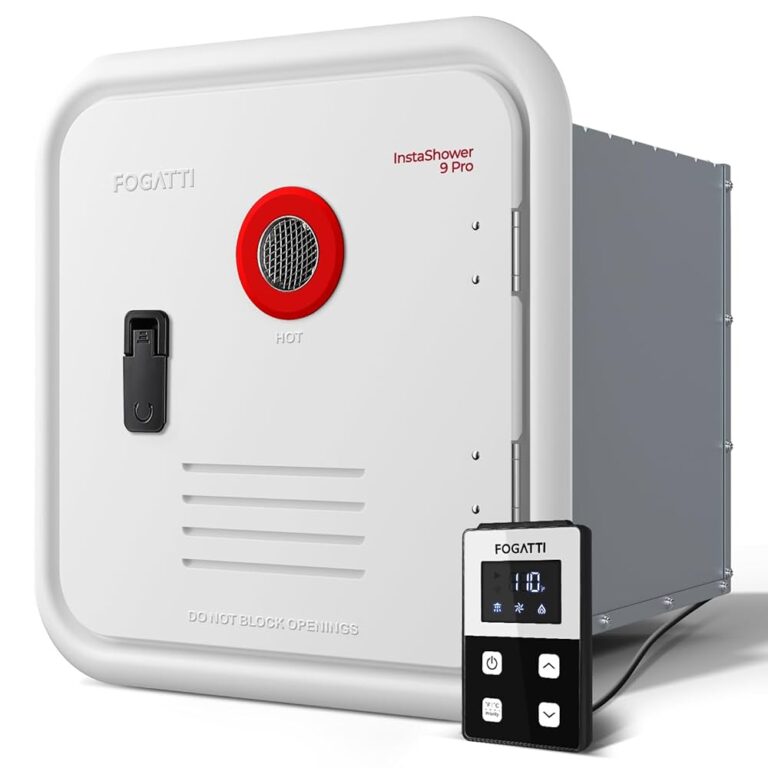
Credit: www.homedepot.com
Frequently Asked Questions
What Is The Recommended Minimum Water Heater Temperature?
The recommended minimum temperature is 120°F (49°C). This setting prevents bacterial growth and reduces scalding risk. It balances safety and energy efficiency effectively.
Why Should Water Heaters Not Be Set Too Low?
Setting water heaters too low encourages bacteria like Legionella to grow. It also causes poor hot water supply. Maintaining at least 120°F prevents health risks and ensures proper heating.
How Does Minimum Temperature Affect Energy Bills?
Lower temperatures reduce energy use but risk bacteria growth. Higher settings increase energy costs but improve safety. Keeping water heaters at 120°F optimizes efficiency and safety balance.
Can Water Heater Temperature Prevent Legionnaires’ Disease?
Yes, maintaining water heater temperature at 120°F or above helps kill Legionella bacteria. This reduces the risk of Legionnaires’ disease from contaminated water.
Conclusion
Setting the right water heater temperature saves energy and keeps you safe. Too low risks bacteria growth. Too high wastes energy and can cause burns. Experts often suggest 120°F as a safe, efficient choice. Check your water heater settings today.
Keep your home comfortable without extra costs. Small changes make a big difference in your daily life. Stay warm and save money at the same time.