Is your water heater giving you scalding hot water one moment and chilly bursts the next? The secret to fixing this frustrating problem might be simpler than you think.
Adjusting your water heater mixing valve can bring your water temperature back to the perfect, safe balance. You’ll discover easy steps to tweak your valve, improve your comfort, and protect your family from unexpected burns. Keep reading to take control of your water heater and enjoy steady, just-right water every time.
Why Adjust A Mixing Valve
Adjusting a water heater mixing valve is important for safe and efficient hot water use. The valve controls how hot water mixes with cold water before reaching your taps. Proper adjustment keeps water at a safe temperature. It also helps save energy and protects your water heater from damage.
Preventing Scalding
Hot water that is too hot can cause serious burns. A mixing valve keeps water at a safe level. Adjusting it stops water from being dangerously hot. This is especially important for children and elderly people. It gives peace of mind and protects your family.
Enhancing Energy Efficiency
Setting the mixing valve correctly helps save energy. It prevents overheating water that wastes fuel or electricity. Using just the right temperature means your heater works less. This lowers energy bills and reduces environmental impact. Simple adjustments can make a big difference.
Extending Heater Lifespan
Too much heat can damage your water heater. High temperatures stress the tank and parts inside. Adjusting the mixing valve lowers the water temperature to safe levels. This reduces wear and tear on the heater. Proper settings help your water heater last longer and avoid costly repairs.

Credit: waterheatertimer.org
Tools Needed For Adjustment
Adjusting a water heater mixing valve needs the right tools. Using proper tools makes the job easier and safer. Prepare everything before starting to avoid delays and mistakes.
Basic Tools Checklist
Gather these tools for a smooth adjustment:
- Screwdriver (flathead and Phillips)
- Adjustable wrench
- Pipe wrench
- Thermometer
- Bucket or container
- Towel or rag
These tools help you open the valve, check temperature, and tighten fittings.
Safety Gear Essentials
Wear safety gear to protect yourself from burns and injuries.
- Heat-resistant gloves
- Safety goggles
- Long-sleeve shirt
- Closed-toe shoes
Safe gear prevents accidents during the adjustment process.
Locating The Mixing Valve
Finding the water heater mixing valve is the first step in adjusting it. The valve controls water temperature by mixing hot and cold water. Knowing its location helps you make safe and accurate adjustments. Mixing valves are usually near the water heater or on the pipes leading from it.
Common Valve Positions
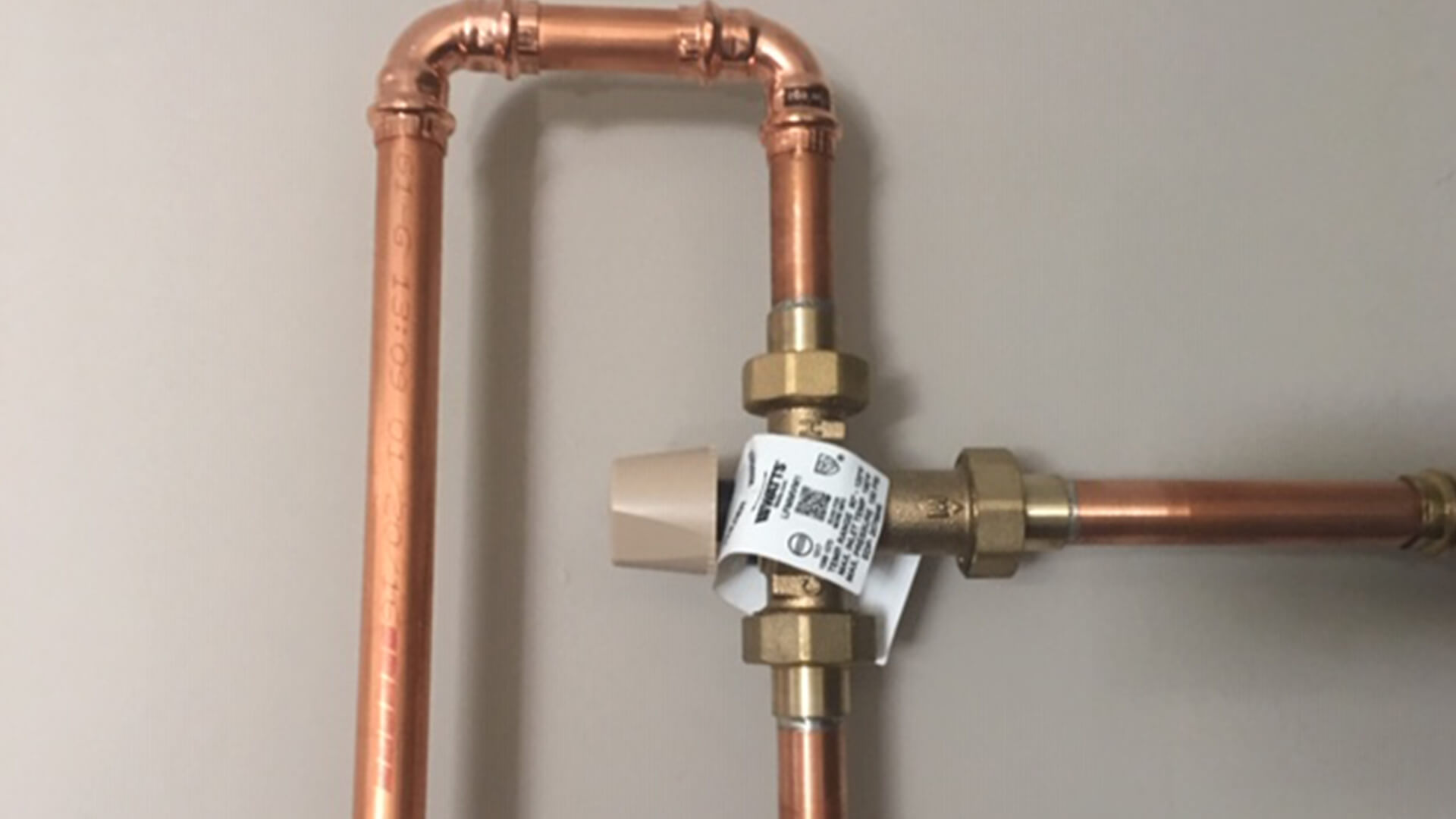
Mixing valves often sit on the hot water outlet pipe. Sometimes, they attach to the cold water supply line. They can be close to the water heater or under sinks in some homes. Look for a small valve with a dial or knob. The valve may be near a thermometer or pressure gauge.
Identifying Valve Types
Mixing valves come in different styles. Some have a plastic or metal body with a screw for adjustment. Others have a round handle or lever. Some models feature a temperature scale on the valve itself. Knowing the type helps you understand how to adjust it. Check the valve label for brand and model information too.
Credit: www.materiaiscastanheira.com.br
Step-by-step Adjustment Process
Adjusting the water heater mixing valve is simple with clear steps. This process improves water temperature safety and comfort. Follow each step carefully for best results.
Shutting Off The Water Heater
Start by turning off the water heater’s power or gas supply. This stops heating during adjustment. Next, close the cold water supply valve to the water heater. This prevents new cold water from entering the tank while you work.
Turning The Valve
Locate the mixing valve, usually near the water heater outlet. Use a screwdriver or wrench to turn the valve gently. Turn clockwise to lower temperature or counterclockwise to raise it. Adjust in small steps to avoid sudden changes.
Testing Water Temperature
Turn the water heater power or gas back on. Open a hot water tap and let water run for a few minutes. Use a thermometer or feel the water with your hand. Check if the temperature matches your comfort and safety needs. Repeat valve adjustment if necessary.
Troubleshooting Common Issues
Water heater mixing valves control water temperature by blending hot and cold water. Problems with these valves can cause discomfort and safety issues. Understanding common issues helps fix problems fast. Here are some typical troubles you may face.
Inconsistent Temperatures
Water temperature changes often without warning. This happens when the valve is clogged or worn out. Sediment buildup inside the valve blocks water flow. Check the valve for debris and clean it carefully. Sometimes, the thermostat inside the valve needs adjustment. Tighten or loosen the adjustment screw slowly to stabilize temperatures.
Valve Not Responding
The valve does not change water temperature at all. It may be stuck due to mineral deposits or corrosion. Try to move the valve handle gently to free it. If it stays stuck, replace the valve to avoid damage. Electrical valves may fail due to wiring issues. Check connections and power supply to ensure proper function.
Leaks And Drips
Water leaking around the valve indicates a loose or damaged seal. Tighten valve fittings using a wrench, but do not overtighten. Old or cracked seals cause drips and need replacement. Use plumber’s tape on threads to prevent leaks. Regular inspection helps spot leaks early and avoid bigger problems.
Credit: www.rheem.com
Maintenance Tips For Mixing Valves
Maintaining your water heater mixing valve ensures safe and steady hot water. Proper care helps avoid temperature fluctuations and potential damage. Follow these simple tips to keep your valve working well.
Regular Inspection
Check the valve every few months. Look for leaks, corrosion, or unusual noises. Make sure the valve moves smoothly when adjusting temperature. Early spotting of issues prevents bigger problems later.
Cleaning Procedures
Turn off the water supply before cleaning. Remove any dirt or mineral buildup around the valve. Use a soft brush or cloth to clean parts gently. Avoid harsh chemicals that can damage the valve.
When To Replace The Valve
Replace the valve if leaks persist after cleaning. Also change it if the temperature is hard to control. A valve older than 5 years may need replacement. New valves improve safety and performance.
Frequently Asked Questions
What Is A Water Heater Mixing Valve?
A water heater mixing valve blends hot and cold water. It controls temperature to prevent scalding. This valve ensures safe, consistent water temperature for showers and taps.
How Do You Adjust A Mixing Valve?
To adjust, turn the valve’s screw or dial slowly. Test water temperature after each adjustment. Aim for 120°F (49°C) to balance safety and comfort.
Why Adjust Water Heater Mixing Valve Temperature?
Adjusting prevents scalding and saves energy. Proper settings protect children and elderly from burns. It also reduces mineral buildup and extends heater lifespan.
When Should You Service A Mixing Valve?
Service your mixing valve annually or if temperature fluctuates. Regular checks ensure proper function and safety. Replace the valve if it leaks or fails to regulate temperature.
Conclusion
Adjusting your water heater mixing valve keeps water safe and comfortable. It helps prevent scalding and saves energy. Regular checks ensure the valve works well over time. Small tweaks can make a big difference in daily use. Take time to adjust it carefully and enjoy steady hot water.
This simple step improves your home’s safety and comfort easily.