Your water heater works hard to keep your home comfortable, but have you ever stopped to check its pressure relief valve setting? This small but vital part can protect your entire system from dangerous pressure buildup.
If it’s set too high or too low, you could face costly repairs or even safety hazards. You’ll discover exactly how to check and adjust your water heater pressure relief valve setting to keep your home safe and your heater running smoothly.
Don’t wait for a problem to strike—understanding this simple step could save you time, money, and stress. Keep reading to learn how to take control of your water heater’s safety right now.

Credit: www.youtube.com
Pressure Relief Valve Basics
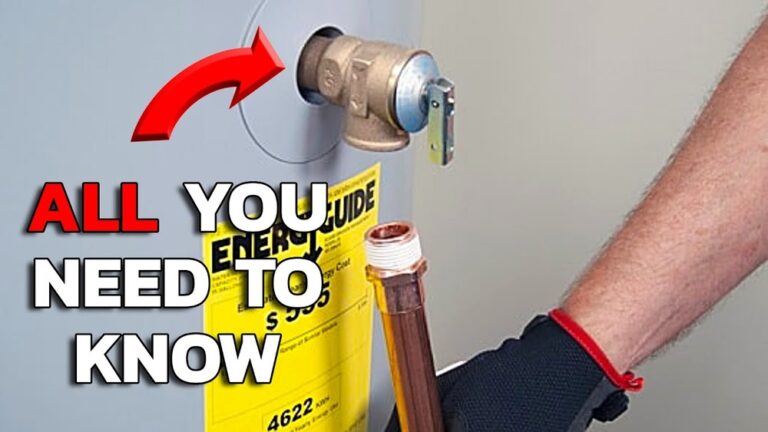
Understanding the basics of a water heater pressure relief valve is important for safety. This small device protects your water heater from dangerous pressure build-up. It helps prevent leaks, bursts, and costly damage. Knowing how it works and the types available can keep your home safe.
Purpose And Function
The pressure relief valve stops excess pressure inside the water heater. It opens automatically when pressure rises too high. This releases water and pressure safely outside the heater. Without it, pressure can cause the tank to explode. The valve keeps your water heater working safely every day.
Types Of Valves
There are different types of pressure relief valves. The most common is the temperature and pressure (T&P) relief valve. It opens when either temperature or pressure is too high. Another type is the pressure-only relief valve. It opens only when pressure reaches a set limit. Choosing the right valve depends on your heater model and local rules.

Credit: mmguide.nl
Ideal Pressure Settings
Setting the right pressure on your water heater’s pressure relief valve is crucial. It ensures safety and proper function. Too high or too low pressure can cause problems. Knowing the ideal pressure settings helps maintain your water heater’s health and prevents damage.
Manufacturer Recommendations
Each water heater brand suggests a specific pressure setting. These guidelines match the design and safety limits of the model. Always check the manual or label on your heater. Following these instructions keeps your system safe and efficient.
Typical Psi Range
Most pressure relief valves work best between 100 and 150 PSI. This range protects against too much pressure buildup. Setting the valve within this range avoids leaks or bursts. It also helps your heater last longer and work better.
Safety Risks Of Improper Settings
Setting the pressure relief valve on a water heater is very important for safety. Incorrect settings can cause serious risks. These risks may harm your home and your health. Understanding these dangers helps you keep your water heater safe.
Overpressure Hazards
The pressure relief valve stops the tank from building too much pressure. If the valve setting is too high, pressure can build up inside. This can cause the tank to explode or leak. An explosion can hurt people and damage property. High pressure also makes pipes burst easily. This creates a risk of flooding and water damage.
Potential Damage To Heater
Wrong valve settings cause the water heater to work under stress. Too much pressure wears out parts faster. The tank may develop cracks or rust inside. This shortens the heater’s life and leads to costly repairs. The valve might fail and stop releasing pressure. This puts the whole system at risk. Proper setting protects the heater and avoids breakdowns.
How To Test The Valve
Testing the water heater pressure relief valve ensures it opens at the right pressure. Lift the valve lever gently and watch for water flow. If water flows smoothly, the valve works properly; if not, it may need replacement.
Tools Required
Testing the water heater pressure relief valve needs just a few tools. You will need a bucket or large container to catch water. Also, have a cloth or towel ready to wipe spills. A pair of gloves helps keep your hands safe and dry. A ladder may be needed if the valve is hard to reach. These simple tools make the test easier and cleaner.
Step-by-step Process
Start by turning off the water heater’s power or gas supply. This keeps the heater safe during the test. Next, place the bucket under the valve’s discharge pipe. This pipe lets water out if the valve opens. Slowly lift the valve’s lever to let water flow out. Water should flow freely and stop when you lower the lever. If water does not flow or leaks after closing, the valve may be faulty.
Watch the water flow carefully. It should be steady and clear. If the flow is weak or stops quickly, check for blockages. After testing, close the valve fully. Dry any spilled water around the valve. Turn the power or gas supply back on. Testing the valve regularly ensures your water heater works safely.
Valve Maintenance Tips
Maintaining the water heater pressure relief valve is key for safety and performance. Proper care prevents leaks and avoids pressure buildup. It helps your heater work longer and safer.
Regular Inspection
Check the valve every six months. Look for rust, corrosion, or leaks. Test the valve by lifting the lever gently. Water should flow and stop when released. If it does not, the valve may be stuck or faulty. Clean any dirt around the valve. This keeps it working smoothly and prevents blockages.
When To Replace
Replace the valve if it leaks constantly or does not open. Any signs of corrosion or damage mean a new valve is needed. If the valve is over five years old, consider changing it. Old valves may not work well and risk pressure problems. Use the right replacement part for your heater model.
Troubleshooting Common Issues
Water heater pressure relief valves keep your system safe by releasing extra pressure. Sometimes, these valves face common problems. Knowing how to spot and fix these issues helps protect your home.
Leaking Valve
A leaking valve lets water drip or flow out. This happens when pressure builds inside the tank. Dirt or mineral buildup may stop the valve from sealing tightly. Check for debris and clean the valve gently. Replace the valve if leaks continue. A leaking valve can waste water and cause damage.
Valve Stuck Closed
A stuck valve does not open to release pressure. This can cause dangerous pressure levels inside the heater. Mineral deposits or corrosion often cause the valve to stick. Test the valve by lifting the lever carefully. If it does not move, replace the valve immediately. A stuck valve is a serious safety risk.
Professional Help And Regulations
Setting the pressure relief valve on a water heater is important for safety. It controls the pressure inside the tank. Incorrect settings can cause leaks or even explosions. Many rules exist to keep this process safe and effective. Professionals know these rules well. They can set or fix the valve correctly. This section explains when to call a technician and the local safety codes to follow.
When To Call A Technician
Water heater pressure relief valves need careful handling. If you notice leaks or strange noises, call a technician. They check the valve pressure and adjust it safely. A technician also replaces worn or broken valves. Avoid fixing the valve yourself if unsure. A wrong setting can cause damage or injury. Professionals use special tools and tests to ensure safety.
Local Safety Codes
Local safety codes guide water heater installation and maintenance. These codes set limits on pressure relief valve settings. They require the valve to open at a safe pressure level. Codes vary by city or state. Following these rules prevents accidents and legal problems. Professionals stay updated on local codes. They ensure your water heater meets all safety standards.

Credit: www.lindstromair.com
Frequently Asked Questions
What Is The Ideal Setting For A Water Heater Pressure Relief Valve?
The ideal pressure relief valve setting is usually 150 psi. This ensures safe operation by releasing excess pressure. Check your manufacturer’s guidelines for exact specifications. Proper setting prevents tank damage and potential hazards.
How Often Should I Test My Water Heater Pressure Relief Valve?
Test the pressure relief valve at least once a year. Regular testing ensures it functions correctly and prevents dangerous pressure buildup. Lift the valve lever to check water flow and reseat it properly afterward.
What Happens If The Pressure Relief Valve Is Set Too High?
A too-high setting can cause excessive pressure, risking tank rupture or explosion. It compromises safety and increases the chance of leaks. Always set the valve within recommended pressure limits for safe water heater operation.
Can I Adjust The Pressure Relief Valve Myself?
Adjusting the pressure relief valve is not recommended for homeowners. It requires specialized tools and knowledge. Consult a licensed plumber to ensure proper settings and maintain safety standards.
Conclusion
Setting the right pressure relief valve keeps your water heater safe. It stops too much pressure from building inside the tank. This helps avoid leaks or bursts that can cause damage. Check the valve regularly to make sure it works well.
Proper care extends your water heater’s life and saves money. Simple steps protect your home and family. Don’t ignore this small but important part of your water heater system. Safety and peace of mind are worth the effort.