Are you unsure if your hot water heater breaker size is right? Choosing the correct breaker size is crucial for your safety and the efficient running of your water heater.
The wrong breaker can cause frequent trips, damage your appliance, or even create fire risks. You’ll learn exactly how to find the right breaker size for your hot water heater. By the end, you’ll feel confident that your setup is both safe and efficient.
Keep reading to protect your home and get the most out of your water heater.
Credit: licketysplitfl.com
Breaker Basics
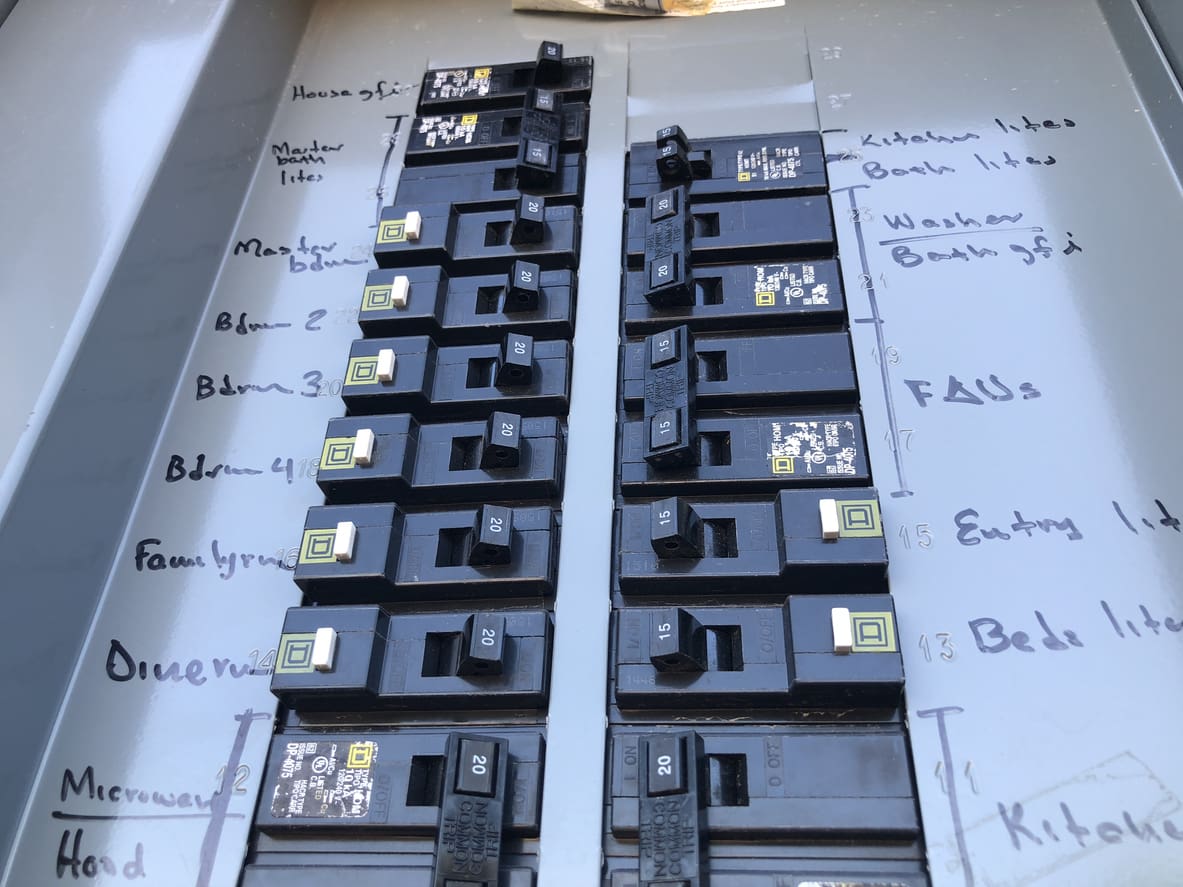
A breaker stops the flow of electricity if there is too much current. It keeps your hot water heater safe from damage. Without a breaker, wires might get very hot and cause a fire.
There are different types of breakers. The most common are standard, GFCI, and AFCI. Standard breakers protect from overload. GFCI breakers also protect from electric shock near water. AFCI breakers stop fires caused by sparks.
| Breaker Type | Main Use | Special Feature |
|---|---|---|
| Standard | Protects from overload | Trips if current is too high |
| GFCI | Used near water | Stops electric shock |
| AFCI | Prevents electrical fires | Detects sparks |
Credit: structuretech.com
Sizing Your Breaker
To find the right breaker size for a hot water heater, first calculate the amperage. Check the heater’s power rating in watts. Divide this number by the voltage (usually 240 volts) to get the amps. For example, a 4500-watt heater uses about 18.75 amps (4500 ÷ 240 = 18.75).
Choose a breaker that matches or slightly exceeds this amperage. Breakers protect wiring from overload. Using a breaker too small can cause frequent trips. Too large can be unsafe.
| Heater Wattage | Amperage (Approx.) | Common Breaker Size |
|---|---|---|
| 3000 W | 12.5 A | 15 A |
| 4500 W | 18.75 A | 25 A |
| 5500 W | 22.9 A | 30 A |
Safety Considerations
Breaker size must match the hot water heater’s power needs. Too small a breaker can cause overloads. This may trip the breaker often, causing inconvenience and potential damage. Too large a breaker may not trip when it should. That can lead to electrical fires. Proper breaker size helps keep your home safe.
Electrical codes set rules for breaker sizes. Following these rules ensures code compliance. This protects both the home and people inside. Electricians use these codes to pick the right breaker. Using the correct breaker reduces risk and keeps your system stable.

Credit: servicewhale.com
Efficiency Factors
Breaker size affects how well your hot water heater works. A breaker that is too small can trip often and stop the heater. This wastes energy and can cause frustration. A breaker that is too big may not protect the heater from electrical damage.
Proper installation helps avoid these problems. Make sure a licensed electrician fits the right breaker size. Correct wiring and grounding improve safety and performance. This also helps save energy by keeping the heater running smoothly.
Regular maintenance keeps the heater efficient. Flush the tank to remove sediment. Check the breaker and wiring for signs of wear. Replace old parts quickly to avoid breakdowns and energy loss.
Troubleshooting Breaker Issues
Signs of a Bad Breaker include frequent tripping or a breaker that won’t reset. You might notice a burning smell or heat near the panel. Flickering lights or loss of power in part of the home also point to breaker trouble. These signs mean the breaker may not protect the water heater well.
Resetting and Testing involves turning the breaker off and then back on. Test the water heater after resetting to see if power returns. If the breaker trips again quickly, it might be faulty or overloaded. Use a multimeter to check voltage and continuity. Safety first: always switch off power before testing.
When to Replace is clear if the breaker trips often or shows physical damage. Replacement is needed if resetting doesn’t fix the problem. Also, upgrade if the breaker size does not match the hot water heater’s requirements. Using the correct breaker size helps avoid electrical hazards and appliance damage.
Upgrading Your System
Choosing modern breakers ensures better safety and reliability. New breakers fit current electrical codes and protect your home from electrical faults. They can handle higher power loads needed for today’s hot water heaters. This upgrade prevents frequent tripping and reduces fire risks.
Benefits of upgrades include improved energy efficiency and longer appliance life. Upgraded breakers help maintain a steady power flow. This keeps your hot water heater working smoothly without interruptions.
Professional assistance is important for proper breaker sizing and installation. Electricians have the tools and knowledge to match breakers with your heater’s power needs. They also ensure compliance with local electrical rules. Attempting this work alone can be dangerous and cause damage.
Frequently Asked Questions
What Breaker Size Is Needed For A Hot Water Heater?
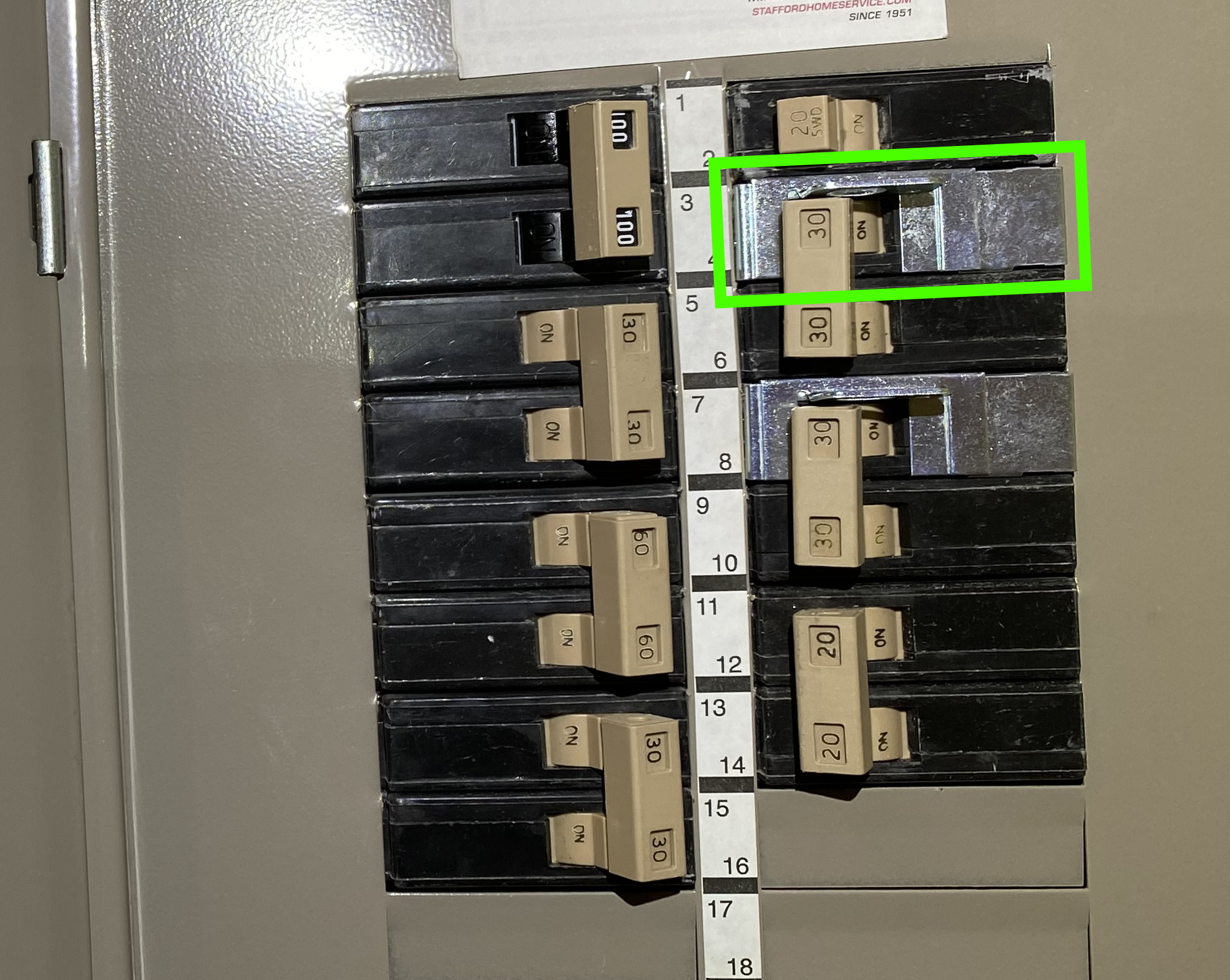
A 30-amp double-pole breaker is typically required for most electric hot water heaters. Always check your heater’s specifications to confirm.
Can I Use A 20-amp Breaker For My Water Heater?
No, a 20-amp breaker is usually too small and may cause frequent trips or unsafe conditions.
How To Determine The Correct Breaker Size For Water Heaters?
Check the water heater’s wattage and voltage rating, then calculate amperage. Refer to NEC guidelines or manufacturer instructions.
What Happens If The Breaker Size Is Too Large?
Using an oversized breaker risks overheating wires and potential fire hazards. Always match breaker size to heater specs.
Conclusion
Choosing the right breaker size keeps your water heater safe and working well. A breaker that is too small can trip often. One that is too big may cause electrical hazards. Always check the heater’s manual for the correct size.
If unsure, ask a professional electrician for help. Proper breaker size saves money and prevents damage. Stay safe and enjoy hot water without worries. Simple steps make a big difference in home safety. Keep this guide handy for future reference.