Are you confused about your water heater’s top and bottom settings? You’re not alone.
Many people don’t realize how these settings impact your comfort, energy bills, and even safety. Understanding how to adjust them properly can save you money and ensure your water is just the right temperature every time. Keep reading, and you’ll discover simple tips to get the most out of your water heater without any hassle.
Your perfect shower experience is closer than you think.
Credit: www.histamineintolerance.org.uk
Why Water Heater Settings Matter
Water heater settings play a key role in daily comfort and home safety. Adjusting the top and bottom thermostat correctly affects how well your water heater works. Small changes can save energy, protect your family, and keep your water at the perfect temperature.
Understanding why these settings matter helps you make smart choices. This section explains the impact on energy use, safety, and comfort.
Energy Efficiency Impact
Proper water heater settings lower energy bills. When temperatures are too high, the heater uses more power. Setting it just right keeps energy use steady. It also reduces wear on the heating elements. Saving energy means spending less each month. It also helps the environment by cutting waste.
Safety Considerations
Water heaters set too hot can cause burns. Children and elderly are at higher risk. Lower temperatures prevent scalding accidents. Proper settings also stop the tank from overheating. This reduces pressure buildup and damage. Safe water heater use protects your family and home.
Comfort And Convenience
Right settings give you steady hot water. No cold surprises during showers or washing dishes. It also keeps water warm for longer. This means fewer heater cycles and less noise. Comfort increases when hot water is always ready. Convenience improves daily routines and saves time.

Credit: stahlfabrik.com.br
Top Vs Bottom Heater Elements
The top and bottom elements in a water heater serve different roles. Each one heats water in a unique way. Knowing how these parts work helps you understand your water heater better. It also helps in fixing issues quickly.
How Each Element Works
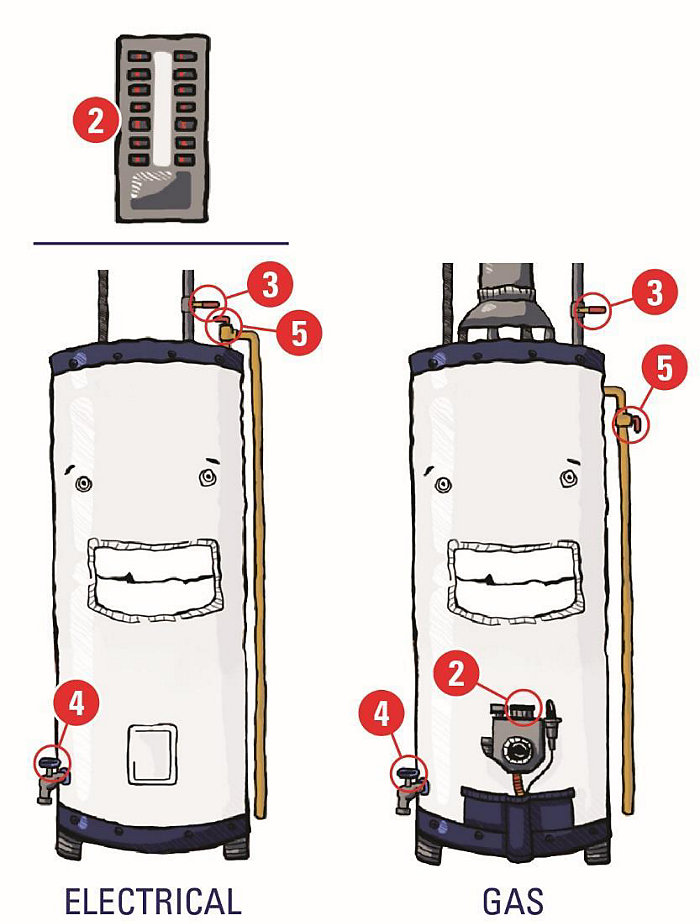
The top element heats water in the upper part of the tank. It turns on first to warm the cooler water at the top. The bottom element heats water at the tank’s bottom. It works after the top element finishes heating. Both elements use electric power to create heat.
Differences In Heating Patterns
The top element heats water faster because hot water rises. This helps deliver hot water to taps quickly. The bottom element heats water more slowly but keeps the tank warm. It works to maintain the overall temperature. This pattern saves energy and keeps water ready.
Common Issues With Elements
Elements can wear out or break over time. The top element may fail if it overheats. The bottom element often gets coated with sediment. Sediment stops heat transfer and causes failure. Faulty elements cause uneven heating or no hot water. Regular checks help catch problems early.
Ideal Temperature Settings
Setting the right temperature on your water heater is important. It affects safety, comfort, and energy costs. The ideal settings keep water hot enough to prevent germs. They also avoid burns and save money on bills.
Recommended Temperatures For Safety
The best temperature to kill harmful bacteria is 120°F (49°C). This level stops germs like Legionella from growing. It also lowers the risk of scalding injuries. Water hotter than 120°F can cause burns quickly.
Balancing Comfort And Savings
At 120°F, water is hot enough for most daily uses. You get warm showers without wasting energy. Lower temperatures save money by using less power. Too low, though, and water may feel cold or unsafe.
Adjusting For Seasonal Changes
In winter, water may feel colder due to cold pipes. Raising the temperature by 5-10 degrees helps keep it warm. In summer, you can lower the setting to save energy. Adjust based on your comfort and weather.
How To Adjust Your Water Heater Settings
Adjusting your water heater settings can save energy and improve comfort. Setting the right temperature helps avoid scalding and reduces utility bills. This guide shows how to change both top and bottom thermostat settings safely.
Tools You’ll Need
- Screwdriver (usually flathead or Phillips)
- Multimeter (to check voltage, optional)
- Thermometer (to measure water temperature)
- Flashlight (to see inside the heater panel)
- Work gloves (for safety)
Step-by-step Adjustment Guide
Turn off the power supply to your water heater. This prevents electric shock during the process.
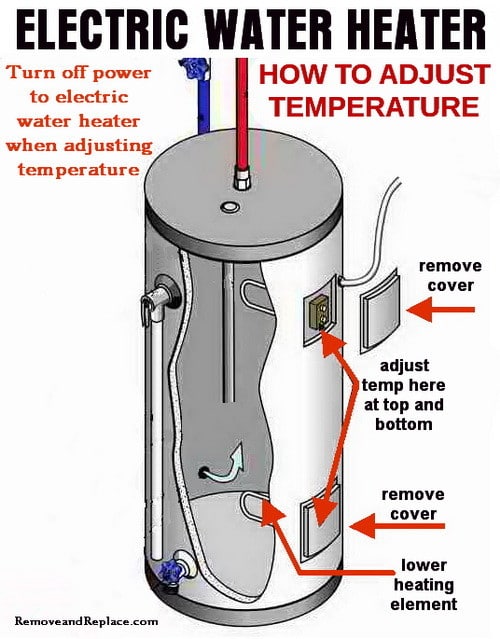
Remove the access panel covering the thermostat. Use the screwdriver to unscrew it carefully.
Locate the thermostat dial or screws on top and bottom units. Use the screwdriver to adjust the temperature.
Turn the dial to the desired setting, usually between 120°F and 140°F. Avoid setting it too high to prevent burns.
Replace the access panel and screw it back securely. Turn the power supply back on.
Wait about an hour, then check the water temperature with a thermometer. Adjust again if needed.
Troubleshooting Adjustment Problems
If the water stays too hot or cold, check the thermostat connections. Loose wires can cause incorrect readings.
Use a multimeter to test if the thermostat receives power. No power means a circuit or breaker issue.
Sometimes sediment buildup affects water temperature. Flush the tank to remove sediment if needed.
When adjustments do not work, the thermostat may be faulty. Consider replacing it or calling a professional.
Maintaining Optimal Heater Performance
Maintaining the right settings on the top and bottom of your water heater helps keep it working well. Regular care ensures the heater stays efficient and lasts longer. Simple checks and fixes prevent bigger problems and save energy.
Regular Inspection Tips
Check the heater’s temperature settings often. The top and bottom thermostats should match the recommended range. Look for signs of wear, leaks, or rust. Clean any dirt or dust around the unit. Inspect the pressure relief valve to ensure it works properly.
Flushing The Tank
Drain the tank at least once a year. Flushing removes sediment build-up that harms performance. Use a garden hose to empty the water safely. Run cold water through the tank until it runs clear. This keeps the heater efficient and extends its life.
Replacing Faulty Elements
Turn off power before checking heating elements. Test elements with a multimeter for proper function. Replace any that show signs of damage or wear. Use parts that fit your heater model. Fixing elements improves heating and lowers energy costs.
Energy-saving Tips For Water Heating
Saving energy with your water heater helps lower bills and protects the environment. Small changes make a big difference in how much energy your water heater uses daily. The right settings and habits reduce waste and keep water hot efficiently.
Using Timers And Thermostats
Timers control when the water heater runs. Set the heater to work only during needed hours. Thermostats keep the water at the right temperature. Avoid setting the thermostat too high. A setting of 120°F saves energy and prevents scalding.
Insulating Your Water Heater
Insulating the water heater keeps heat inside longer. Use a water heater blanket to wrap the tank. Insulation reduces heat loss and energy use. Also, insulate the first few feet of hot water pipes. This keeps water hot as it travels.
Reducing Hot Water Waste
Fix leaks to stop water waste. Use low-flow showerheads and faucets. Take shorter showers to save hot water. Only run dishwashers and washing machines with full loads. These steps lower energy use and reduce water bills.
Credit: meadeshvac.com
Frequently Asked Questions
What Is The Ideal Temperature For Water Heater Settings?
The ideal water heater temperature is 120°F (49°C). It balances energy efficiency and safety, preventing burns and saving power.
How Do Top And Bottom Settings Affect Water Heating?
Top and bottom settings control heating elements. The top heats water first; the bottom maintains temperature evenly throughout.
Can Improper Settings Damage My Water Heater?
Yes, incorrect settings can cause overheating or insufficient heating. This leads to energy waste, wear, and possible system failure.
How Often Should I Adjust Water Heater Settings?
Adjust settings only if water is too hot or cold. Regular checks every six months ensure optimal performance and safety.
Conclusion
Setting the right temperature on your water heater saves energy and money. Keep the top and bottom controls balanced for best results. Too hot can cause burns; too cold wastes energy. Regular checks help maintain comfort and safety at home.
Simple adjustments can improve your water heater’s efficiency. Stay mindful of your settings to enjoy warm water every day. Small changes make a big difference in your utility bills. Take control of your water heater for better comfort and savings.