Is your water heater turning off by itself when you need it most? It’s frustrating, inconvenient, and can leave you wondering what’s wrong with your home’s hot water system.
You rely on your water heater every day, so when it suddenly stops working properly, it disrupts your routine and causes unnecessary stress. But don’t worry—you’re not alone, and there are simple reasons behind this problem that you can understand and fix.
Keep reading to discover why your water heater might be shutting off on its own and what you can do to get it back to working smoothly.
Common Causes Of Water Heater Shutdown
Water heaters turning off by themselves can be frustrating. Understanding the common causes helps find the problem fast. Many issues may cause the water heater to shut down unexpectedly. Some are simple, while others need a professional fix.
Thermostat Issues
The thermostat controls the water temperature. A faulty thermostat can cause the heater to turn off. It may read the wrong temperature or fail to signal the heater. This problem stops the heating process early.
Faulty Heating Element
The heating element warms the water inside the tank. If it breaks or wears out, the water won’t heat properly. This can cause the heater to shut down to avoid damage. Replacing the element often solves this issue.
Electrical Problems
Water heaters rely on electricity to work. Loose wires or bad connections can cause power loss. Circuit breakers may trip, cutting off the power supply. Electrical faults can make the heater turn off suddenly.
Sediment Buildup
Mineral deposits collect at the bottom of the tank. This buildup reduces heating efficiency and can cause overheating. Over time, the sediment may trigger the heater to shut down. Regular flushing helps prevent this problem.
Overheating And Safety Switch
Water heaters have safety switches to stop overheating. If the water gets too hot, the switch turns the heater off. This protects the unit and prevents accidents. Overheating often signals other underlying issues.
Water Pressure Fluctuations
Changes in water pressure affect heater performance. Low or high pressure can cause the system to shut down. Pressure problems may come from plumbing or the water supply. Fixing pressure helps keep the heater running smoothly.
Credit: alimentosreal.com
Troubleshooting Steps
Water heaters turning off by themselves can be frustrating. Troubleshooting helps find the problem fast. Follow these easy steps to check your water heater. Each step points to common causes and solutions.
Checking The Thermostat Settings
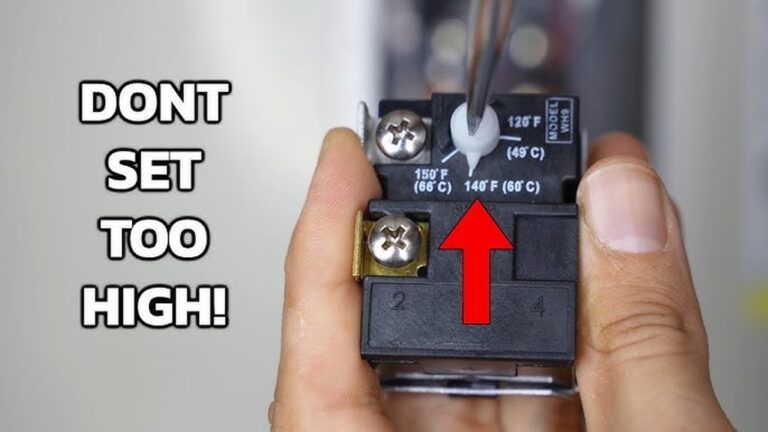
Check the thermostat temperature on your water heater. It should be set between 120°F and 140°F. Too low can cause the heater to turn off early. Too high can trigger safety shutdowns.
Adjust the dial carefully and see if the heater stays on longer. A faulty thermostat may need replacement.
Inspecting The Heating Element
The heating element warms the water inside the tank. Over time, it can wear out or break. This causes the heater to turn off unexpectedly.
Use a multimeter to test the element’s resistance. Replace it if it shows no continuity or damage.
Examining Electrical Connections
Loose or damaged wiring can interrupt power to the water heater. Turn off the power before checking wires.
Look for loose screws, burnt wires, or corrosion. Tighten connections or replace damaged wires to restore power flow.
Flushing The Tank
Mineral build-up inside the tank reduces heating efficiency. This can cause the heater to shut off.
Drain the tank completely, then flush it with clean water. This removes sediment and improves performance.
Resetting The Safety Switch
Most water heaters have a reset button for safety shutoffs. It trips when the heater overheats or detects a fault.
Locate the reset button and press it firmly. If the heater keeps turning off, call a professional.
Monitoring Water Pressure
High or low water pressure affects the heater’s operation. Check your home’s water pressure with a gauge.
Normal pressure is between 40 and 60 psi. Adjust the pressure regulator or contact a plumber if pressure is outside this range.
Quick Fixes To Try At Home
Water heaters turning off by themselves can be frustrating. Many common problems have simple solutions. Trying quick fixes at home can save time and money. These easy steps help you get your heater working again fast.
Adjusting The Thermostat
Check the thermostat setting first. Make sure it is not too low. Setting it between 120°F and 140°F works well. Turn the dial gently to the right to increase heat. Wait to see if the heater stays on longer.
Replacing A Faulty Element
Heating elements wear out over time. A bad element can cause the heater to shut off. Turn off the power before starting. Remove the old element carefully. Install a new one that matches your model. This can restore proper heating.
Tightening Loose Wires
Loose wires may interrupt power to the heater. Switch off the electrical supply. Open the access panel and check wire connections. Tighten any loose screws or terminals. Secure wiring ensures steady electricity flow.
Draining And Cleaning The Tank
Mineral buildup can block heating parts. Drain the tank fully using the drain valve. Flush with clean water to remove sediment. Cleaning improves efficiency and prevents overheating. Repeat this task every six months.
Resetting Circuit Breakers
A tripped breaker can cut power to the heater. Locate your home’s breaker panel. Find the switch for the water heater. Flip it off and then back on. This simple reset often fixes power issues.
Installing A Pressure Regulator
High water pressure stresses the heater. A pressure regulator keeps pressure within safe limits. Attach the regulator to the main water line. This protects the heater from damage. It helps maintain steady water flow.

Credit: opcionesadministrativas.com
When To Call A Professional
Knowing when to call a professional for your water heater saves time and prevents damage. Some issues need expert help to fix safely and correctly. Trusting a trained technician avoids risks and ensures your water heater works well.
Persistent Electrical Issues
Frequent power trips or flickering lights near the heater are warning signs. These problems may mean wiring or electrical parts are faulty. A professional can diagnose and repair electrical faults safely. Avoid handling electrical issues yourself to prevent shocks or fires.
Major Component Failures
Loud noises, leaks, or no hot water often signal broken parts inside. Thermostats, heating elements, or valves may need replacement. Professionals have the tools and skills to fix major issues fast. Trying to fix these parts alone can cause more damage.
Gas Water Heater Concerns
Gas heaters require careful handling due to gas leaks and combustion risks. Strange smells, pilot light problems, or frequent shut-offs need urgent attention. Only certified experts should inspect and repair gas water heaters. This prevents explosions and harmful gas exposure.
Safety Hazards
Water heaters that shut off suddenly may pose safety risks like overheating. Signs include burning smells, sparks, or unusual noises. Stop using the heater and call a professional immediately. Early expert help protects your home and family from harm.
Preventive Measures For Longevity
Taking care of your water heater helps it last longer. Simple steps prevent it from turning off by itself. These measures keep your heater working well and safe. Follow easy tips to avoid costly repairs and enjoy warm water every day.
Regular Maintenance Schedule
Set a regular time to check your water heater. Clean the tank to remove sediment build-up. Test the pressure relief valve to ensure it works. Check for leaks and rust around the unit. Regular checks catch problems early before they get worse.
Water Quality Management
Hard water causes mineral deposits inside the heater. These deposits reduce heating efficiency and cause damage. Use a water softener to lower mineral content. Flush the tank yearly to clear out sediments. Good water quality keeps your heater running smoothly.
Using Surge Protectors
Electrical surges can damage the heater’s parts. Install a surge protector to guard against power spikes. This prevents sudden shutdowns and extends the unit’s life. Surge protectors are a small cost that saves big repairs.
Monitoring Temperature Settings
Keep the water heater temperature at a safe level. Set it between 120°F and 140°F to prevent overheating. High heat wears out the thermostat and heating elements faster. Proper settings save energy and avoid unexpected shutoffs.
Credit: alimentosreal.com
Frequently Asked Questions
Why Does My Water Heater Turn Off By Itself?
Your water heater may turn off due to a faulty thermostat, power issues, or overheating. It often signals a safety shutdown to prevent damage or hazards. Regular maintenance can help identify and fix these problems early.
How Can I Fix A Water Heater That Keeps Shutting Off?
Check the thermostat settings and reset if necessary. Inspect power supply and circuit breakers. Also, clean sediment buildup in the tank. If problems persist, consult a professional plumber for safe repairs.
Is A Faulty Thermostat Causing Water Heater Shutdown?
Yes, a faulty thermostat can cause the heater to turn off unexpectedly. It may misread water temperature or fail to maintain heat. Replacing or repairing the thermostat usually resolves this issue.
Can Sediment Buildup Cause Water Heater To Turn Off?
Sediment buildup reduces heating efficiency and can cause the unit to overheat and shut off. Flushing the tank regularly removes sediment, improving performance and preventing automatic shutdowns.
Conclusion
A water heater that turns off by itself can cause many problems. Checking the power supply and thermostat helps find the issue. Sometimes, a simple reset or cleaning fixes the problem quickly. Ignoring these signs may lead to bigger repairs.
Regular maintenance keeps your heater working well and saves money. Remember, safety first—call a professional if unsure. Taking action early stops cold showers and high bills. Stay warm and comfortable with a well-running water heater.