Are you tired of high energy bills and wondering if your water heater is running longer than it should? Setting the right timer for your water heater can save you money and make your daily routine more efficient.
Imagine having hot water ready exactly when you need it, without wasting energy while you’re asleep or away. You’ll discover simple, effective water heater timer settings that fit your lifestyle and help you cut costs. Keep reading to learn how a few easy adjustments can make a big difference for your comfort and your wallet.
Benefits Of Water Heater Timers
Water heater timers offer clear benefits for any home. They control when your heater runs. This control helps save energy and money. It also protects the heater from wearing out fast. Using a timer means your water heats only when needed. This simple step can improve your daily comfort and reduce waste.
Energy Savings
Timers cut power use by turning off heaters at night or during work hours. They prevent heating water all day long. This saves a lot of electricity. Less energy used means less impact on the environment. Energy savings from timers help you live greener and smarter.
Extended Appliance Lifespan
Running a water heater non-stop wears it down quickly. Timers let the heater rest when not needed. This reduces wear and tear on parts. It lowers the chance of breakdowns and repairs. A longer lifespan means fewer replacements and better value.
Reduced Utility Bills
Less energy used means smaller monthly bills. Timers help avoid wasting power heating unused water. Savings add up over months and years. Lower bills free up money for other needs. Timers offer a simple way to keep costs down.

Credit: waterheatertimer.org
Choosing The Right Timer
Choosing the right water heater timer is important for saving energy and money. A good timer controls when your water heater runs. It helps avoid heating water all day long. The right timer fits your needs and your heater type. Consider how easy it is to use and set up. Think about features and how much control you want over heating times.
Mechanical Vs Digital Timers
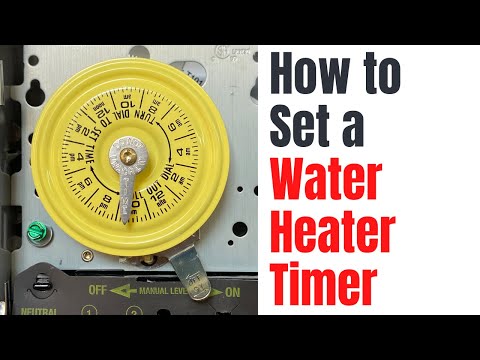
Mechanical timers use a dial and pins to set heating times. They are simple and low cost. You turn the dial to set when the heater turns on and off. These timers do not need power to work. Digital timers have a screen and buttons. They allow precise time settings and many program options. Digital timers may have battery backup to save settings during power cuts. They are easier to adjust but cost more.
Smart Timer Options
Smart timers connect to your phone or home system. You can control them from anywhere using an app. They offer features like scheduling and energy reports. Some can learn your habits and adjust heating automatically. Smart timers may work with voice assistants. These timers need Wi-Fi and may have higher upfront costs.
Compatibility With Water Heaters
Not all timers work with every water heater. Check if the timer matches your heater’s power and voltage. Some heaters need special timers for safety reasons. Electric and gas heaters may require different timer types. Read the heater manual before buying a timer. Proper compatibility ensures safe and efficient operation.
Optimal Timer Settings
Optimal timer settings for your water heater save energy and cut costs. Setting the timer right means hot water is ready when needed. It also prevents heating water during expensive hours. Adjusting these settings helps match your household’s daily routine and seasonal changes. This keeps your water heater efficient all year.
Setting Peak And Off-peak Hours
Most electric companies charge more during peak hours. These are times when many people use electricity. Off-peak hours have lower rates. Set your water heater to run mostly during off-peak times. This reduces your energy bills without losing comfort. Check your utility’s schedule for exact peak and off-peak hours.
Adjusting For Household Usage
Every family uses hot water differently. Note when your household needs hot water most. Morning showers or evening baths require hot water at those times. Program your timer to heat water before those periods. Avoid heating water during times when no one uses it. This adjustment saves energy and keeps hot water ready.
Seasonal Timer Adjustments
Water heater needs change with seasons. In winter, you may use more hot water. Set the timer to heat water longer during cold months. In summer, reduce heating time to save energy. Adjust the timer every few months. This keeps your water heater efficient all year round.
Credit: www.youtube.com
Installation Tips
Setting up a water heater timer can save energy and reduce costs. Proper installation is key for safety and efficiency. Follow these tips to install your timer correctly and avoid common problems.
Safety Precautions
Turn off the power before starting any work. Use a voltage tester to confirm no electricity flows. Wear protective gloves and glasses. Avoid wet or damp areas during installation. Read the timer’s manual carefully. Follow local electrical codes strictly. If unsure, stop and seek help.
Diy Vs Professional Installation
DIY installation suits those with electrical experience. It can save money but requires care. Professionals ensure proper wiring and safety checks. They can spot hidden problems and fix them. Hiring a pro reduces risks of damage or injury. Choose based on your confidence and skills.
Common Installation Mistakes
Incorrect wiring causes timer failure or hazards. Not turning off power risks electric shock. Skipping the manual leads to wrong settings. Using the wrong timer model causes incompatibility. Poor mounting can loosen connections. Double-check all steps to avoid these errors.
Troubleshooting Timer Issues
Troubleshooting timer issues in your water heater can save energy and improve comfort. Timers control when your heater turns on and off. Problems with the timer may cause your water to be too hot or cold. They can also stop the heater from working at the right times.
Understanding common timer problems helps you fix them fast. Check the timer settings and wiring first. Small mistakes often cause big problems. Follow these tips to solve common issues with your water heater timer.
Timer Not Turning On Or Off
When the timer does not turn your heater on or off, check the power source. Make sure the timer is plugged in or connected properly. Look for blown fuses or tripped breakers.
Check the timer switch for damage or wear. Sometimes dirt or moisture stops the timer from working. Clean the timer and dry it carefully.
If the timer still does not work, test the internal clock. A faulty clock can stop the timer from activating. Replace the timer if needed.
Inconsistent Water Temperature
Uneven water temperature can mean the timer is off schedule. Confirm the timer settings match your daily routine. Adjust the on and off times for better heating cycles.
Check the thermostat on your water heater. A wrong thermostat setting may cause temperature swings. Match the thermostat and timer settings for steady water heat.
Look for wiring issues between the timer and heater. Loose or damaged wires can cause inconsistent heating. Tighten connections and replace faulty wires.
Resetting And Reprogramming
Resetting the timer clears old settings and errors. Find the reset button or unplug the timer for a few minutes. This action often fixes minor glitches.
After reset, reprogram the timer with the correct times. Follow the manufacturer’s instructions carefully. Set the on/off schedule to match your water use.
Double-check the settings before finishing. A wrong program wastes energy and causes discomfort. Keep a written schedule for easy future updates.
Additional Energy-saving Tips
Saving energy with your water heater timer is smart. You can save even more by trying other simple steps. These tips help lower your energy bills and keep your water heater working well.
Insulating Your Water Heater
Wrap your water heater with an insulation blanket. It keeps heat from escaping. This means the heater uses less energy to keep water hot. Insulation works best for older models without built-in insulation.
Lowering Water Temperature
Set your water heater temperature to 120°F (49°C). This temperature is hot enough for most uses. It uses less energy than higher settings. Lowering temperature also helps prevent burns and saves money.
Regular Maintenance Practices
Flush your water heater tank once a year. This removes sediment that lowers efficiency. Check the anode rod every few years. Replace it if it is corroded to protect the tank. These simple steps keep your heater running longer and use less energy.

Credit: comunicar.org
Frequently Asked Questions
How Do I Set A Water Heater Timer?
To set a water heater timer, access the timer dial or digital interface. Choose your preferred heating periods based on daily usage. Adjust settings to optimize energy use while ensuring hot water availability during peak times.
What Are The Benefits Of Using A Water Heater Timer?
Using a water heater timer reduces energy consumption by heating water only when needed. It lowers utility bills, extends heater lifespan, and promotes eco-friendly living by minimizing unnecessary heating.
When Should I Program My Water Heater Timer?
Program your water heater timer to operate during peak water usage times. Typically, early morning and evening hours are ideal. Avoid running it during off-peak hours to save energy and costs.
Can A Timer Improve Water Heater Efficiency?
Yes, a timer improves efficiency by limiting heating to specific periods. It prevents constant heating, reducing energy waste and maintaining optimal water temperature. This leads to lower energy bills and better appliance performance.
Conclusion
Setting your water heater timer right saves energy and cuts costs. It keeps your hot water ready when you need it most. Simple adjustments can make your home more efficient and comfortable. Try different settings to find what fits your daily routine.
Small changes add up to big savings over time. A well-timed water heater helps the environment by using less power. Take control of your energy use with easy timer settings. Your comfort and budget both benefit from smart timing.