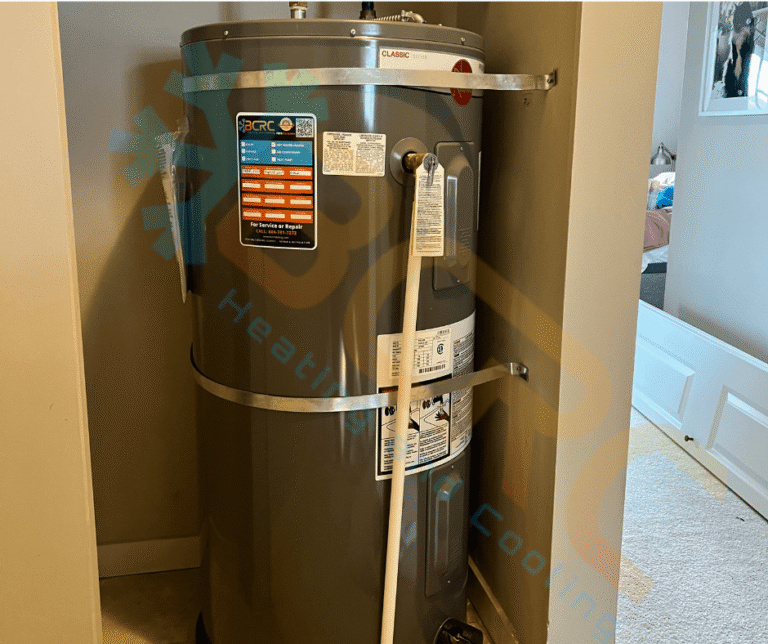
Is your gas water heater’s pressure relief valve leaking? This small drip might seem harmless at first, but it could signal a bigger problem that puts your home and safety at risk.
You need to understand why this happens and what you can do about it before it turns into a costly repair—or worse. Keep reading to discover the simple signs you shouldn’t ignore and easy steps to fix the leak before it causes serious damage.
Your peace of mind and your wallet will thank you.
Why Pressure Relief Valves Leak
Pressure relief valves on gas water heaters prevent dangerous pressure build-up. Sometimes, these valves start leaking. Understanding why they leak helps protect your home and heater. Leaks often signal issues with the valve or the water system. Knowing the causes will guide you to fix or replace the valve quickly.
Common Causes
Valve leaks usually happen due to wear and tear over time. Mineral deposits can block the valve, causing it to open slightly. Dirt or debris may stop the valve from sealing tightly. Faulty manufacturing or damage can also lead to leaks. Regular inspection can catch these problems early.
Impact Of High Water Pressure
High water pressure puts extra strain on the valve. It forces the valve to open more often. This constant pressure causes the valve to wear out faster. Pressure above the recommended level damages the valve’s seal. Installing a pressure regulator can help avoid leaks.
Temperature Effects
Water temperature affects valve performance. Hot water expands, increasing pressure inside the tank. If the temperature is too high, the valve may release water to lower pressure. Continuous overheating weakens the valve parts. Setting the heater to a safe temperature prevents leaks.

Credit: welcometogouda.com
Signs Of A Leaking Valve
Noticing a leaking pressure relief valve on your gas water heater is important. Early signs can prevent damage and expensive repairs. Watch closely for small clues that indicate a problem with the valve.
Visible Water Drips
Water dripping from the valve is a clear warning sign. Even tiny drops can mean the valve is not sealing properly. Check the area around the valve often for any moisture or puddles.
Corrosion Or Mineral Build-up
Rust or white mineral deposits near the valve suggest a leak. These build-ups happen when water escapes slowly over time. They can weaken the valve and cause more leaks.
Noise Indicators
Hissing or whistling sounds from the valve mean pressure is escaping. Unusual noises often signal the valve is working harder than it should. Listen carefully for any strange sounds near your heater.
Safety Risks Of A Faulty Valve
A leaking pressure relief valve on a gas water heater is a serious safety concern. This valve controls the pressure inside the heater. If it fails, it can cause several dangers. Understanding these risks helps you take quick action and keep your home safe.
Potential For Water Damage
A faulty valve can leak water continuously. This causes damage to walls, floors, and ceilings. Water stains and mold may develop over time. Repair costs can rise fast. Early detection reduces these damages.
Risk Of Pressure Build-up
The valve releases excess pressure inside the heater. A malfunction means pressure rises unchecked. High pressure can make the tank burst. This creates a risk of explosion. Such events endanger your family and property.
Impact On Heater Performance
A leaking valve affects the heater’s efficiency. Water loss means the heater works harder. This increases energy bills and shortens the heater’s life. Proper valve function keeps the heater running smoothly.

Credit: www.youtube.com
Diy Fixes For Minor Leaks
Minor leaks in a gas water heater pressure relief valve can be fixed at home. These small problems do not always need a plumber. Simple checks and adjustments can stop the leak fast. This saves money and avoids bigger issues later. Follow these easy steps to handle minor leaks safely and effectively.
Checking Water Pressure
High water pressure often causes leaks. Use a pressure gauge to test your home’s water pressure. The ideal pressure is between 40 and 60 psi. If the pressure is too high, it can make the valve leak. Lower the pressure by adjusting the main water valve or installing a pressure regulator. Keeping pressure in a safe range helps prevent leaks.
Flushing The Valve
Debris can block the valve and cause it to leak. Flushing clears out dirt and buildup. Turn off the water heater and let it cool. Place a bucket under the valve’s discharge pipe. Open the valve lever slightly to let water flow out. Flush for a few seconds until the water runs clear. Close the valve and check if the leak stops.
Tightening Loose Components
Loose parts around the valve may cause leaks. Use a wrench to gently tighten bolts and nuts. Do not overtighten, as this can damage the valve. Check the discharge pipe connection too. Tighten any loose fittings to stop drips. Regularly inspect these parts to keep your heater working well.
When To Replace The Valve
The pressure relief valve on a gas water heater plays a vital safety role. It prevents excess pressure from building inside the tank. Over time, this valve can wear out or start leaking. Knowing when to replace it helps avoid bigger problems. Safety and efficiency depend on a properly working valve. Watch for clear signs that replacement is necessary. Choosing the right valve and installing it correctly ensures your water heater works safely and well.
Signs Replacement Is Needed
Leaks around the valve are a major warning. Constant dripping or water pooling below the valve shows it may be faulty. Rust or corrosion on the valve body can weaken it. If the valve feels stiff or will not open easily, it might be stuck. Strange noises or frequent pressure relief can also signal trouble. Old valves, especially those over five years, need checking. Replacing a bad valve stops leaks and prevents tank damage.
Choosing The Right Valve
Pick a valve that matches your water heater’s size and pressure limits. Check the valve’s temperature and pressure rating carefully. Use valves made from durable materials like brass or stainless steel. Ensure the valve fits the existing pipe size and threading. Buy from reputable brands to get quality and safety assurance. The right valve keeps your system safe and reliable for years.
Installation Tips
Turn off the water heater and let it cool before starting. Release pressure by opening a hot water tap nearby. Remove the old valve carefully, avoiding damage to surrounding pipes. Apply plumber’s tape on the new valve’s threads for a tight seal. Screw the new valve in by hand, then tighten with a wrench. Do not overtighten to avoid cracking the valve or pipe. Test the new valve by turning on the water heater and checking for leaks.
Preventing Future Leaks
Preventing future leaks in your gas water heater’s pressure relief valve is key to safety and efficiency. Small leaks can lead to bigger problems. Taking steps now can save you time, money, and stress later. Focus on simple habits and regular checks to keep your system running well.
Regular Maintenance
Clean the valve area often to avoid dirt buildup. Dirt can block the valve and cause leaks. Flush the water heater yearly to remove sediment. Sediment can put pressure on the valve and wear it out faster. Replace the valve if it shows signs of damage or wear.
Water Pressure Regulation
Check your home’s water pressure regularly. High pressure can cause the valve to leak. Install a pressure regulator if your pressure is too high. Keep the pressure below 80 psi to protect the valve. Too much pressure stresses the valve and the water heater.
Professional Inspections
Hire a plumber to inspect the pressure relief valve each year. Professionals spot issues before they become leaks. They test the valve to ensure it opens and closes correctly. A professional can replace faulty valves safely. Regular inspections help keep your water heater safe and efficient.

Credit: www.youtube.com
Frequently Asked Questions
Why Is My Gas Water Heater Pressure Relief Valve Leaking?
A leaking pressure relief valve usually indicates excessive tank pressure or temperature. It acts as a safety feature to prevent tank damage or explosion. Causes include a faulty valve, high water pressure, or a malfunctioning thermostat. Immediate inspection and repair are recommended to ensure safety.
How Do I Fix A Leaking Pressure Relief Valve?
First, turn off the water heater and water supply. Then, check for debris or corrosion on the valve. If the valve is damaged, replace it with a new one. Always use a valve designed for your specific water heater model to ensure proper functioning.
Can High Water Pressure Cause Valve Leaks?
Yes, high water pressure can force water out of the pressure relief valve. This valve releases water when pressure exceeds safe limits. Installing a pressure regulator can prevent excessive pressure and protect your water heater and plumbing system from damage.
Is It Safe To Ignore A Leaking Pressure Relief Valve?
No, ignoring a leaking valve can lead to water heater damage or safety hazards. The valve prevents dangerous pressure buildup. Persistent leaks should be addressed promptly by a professional plumber to maintain your home’s safety and water heater efficiency.
Conclusion
A leaking pressure relief valve can cause serious water damage. Fixing it quickly protects your home and saves money. Regular checks help spot problems early. Use simple tools or call a professional if unsure. Keep your gas water heater safe and working well.
Small leaks should never be ignored. Act now to avoid bigger issues later. This keeps your water heater reliable and your family safe.