Is your Whirlpool water heater leaking from the top? This can be frustrating and worrying, especially when you rely on hot water every day.
You might wonder if it’s a simple fix or a sign of a bigger problem. Don’t ignore it—leaks can cause water damage and raise your bills. You’ll discover why your water heater is leaking, how to identify the cause, and what steps you can take to solve it quickly.
Keep reading to protect your home and get your hot water flowing smoothly again.
Common Causes Of Top Leaks
Leaks from the top of a Whirlpool water heater can cause water damage and reduce efficiency. Understanding common causes helps find the problem fast. Most leaks come from a few key issues.
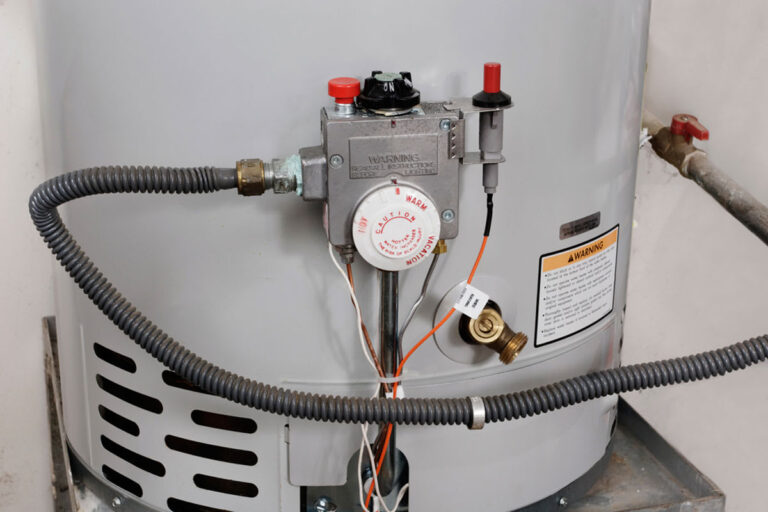
Faulty Temperature And Pressure Valve
The temperature and pressure (T&P) valve stops water pressure from getting too high. If this valve breaks or wears out, it can leak water from the top. This valve opens to release pressure but should close tightly after. A faulty valve drips or flows continuously.
Loose Or Damaged Connections
Water heaters have many pipes and fittings at the top. Over time, these connections can loosen from vibration or corrosion. Loose fittings let water drip slowly. Damaged or cracked connectors also cause leaks. Tightening or replacing parts often fixes this issue.
Corroded Tank Components
Inside the tank, metal parts can rust. Corrosion eats holes or weak spots near the top. Water seeps out through these damaged areas. Corrosion happens more in old heaters or places with hard water. Regular checks help catch corrosion early.

Credit: www.nextgen-itsolution.com
Identifying Leak Sources
Finding the source of a leak in a Whirlpool water heater is important. Water leaking from the top can cause damage and waste water. Careful inspection helps spot the exact problem fast. This saves time and money on repairs. The leak may come from different parts at the top of the heater. Knowing where to check makes the process easier and safer.
Inspecting The T&p Valve
The temperature and pressure valve, or T&P valve, often leaks if it malfunctions. This valve releases water to lower pressure. Look for water dripping or rust near the valve. Tighten the valve if loose, but do not force it. Replace the valve if leaks continue. A faulty T&P valve is a common cause of top leaks.
Checking Pipe Fittings
Pipe fittings connect water lines to the heater. These can loosen or corrode over time. Check each fitting for wet spots or corrosion. Use a wrench to tighten loose fittings carefully. Avoid overtightening, which can cause cracks. Replace damaged fittings to stop leaks. Properly sealed fittings keep water in and your home dry.
Examining The Anode Rod Area
The anode rod prevents rust inside the tank. It screws into the top of the heater. Leaks can form if the rod or its seal breaks. Look for water around the rod’s base. Replace the anode rod if it is worn or damaged. Make sure the seal is tight to prevent drips. Regular checks here protect your heater and stop leaks early.
Quick Fixes For Valve Leaks
Valve leaks on a Whirlpool water heater can cause water to drip from the top. Quick fixes often solve these leaks without needing a full replacement. Addressing valve leaks early prevents bigger problems and saves water.
These quick fixes include tightening loose valves, replacing the temperature and pressure (T&P) valve, and applying thread seal tape. Each step is simple and requires basic tools. Follow these methods to stop leaks fast.
Tightening Loose Valves
Loose valves are a common cause of leaks. Use a wrench to gently tighten the valve nut. Turn the wrench clockwise until the leak slows or stops. Avoid overtightening to prevent damage. Check the valve after tightening to ensure no more drips appear.
Replacing The T&p Valve
The temperature and pressure valve controls pressure inside the heater. A faulty T&P valve often leaks water. Turn off the water supply and drain the tank before replacing the valve. Unscrew the old valve and install a new one. Tighten it securely and turn the water back on. Test for leaks after replacement.
Applying Thread Seal Tape
Thread seal tape helps seal valve threads and stops leaks. Remove the valve and wrap tape around its threads. Wrap the tape tightly in the direction of the threads. Reinstall the valve and tighten it. The tape fills gaps and prevents water from escaping.
Credit: terrylove.com
Fixing Pipe And Connection Leaks
Fixing pipe and connection leaks is a key step to stop water dripping from the top of your Whirlpool water heater. Leaks often happen at pipe joints or damaged pipes. Checking these areas can save water and prevent bigger problems. Small leaks might seem easy to ignore but fixing them quickly avoids costly repairs later.
Focus on tight pipe fittings and damaged pipes. Use the right tools and materials. Sometimes, a leak sealant helps stop minor drips. Understanding these simple fixes can keep your water heater working well.
Tightening Pipe Fittings
Loose pipe fittings cause many leaks. Use a wrench to gently tighten connections. Turn slowly to avoid over-tightening. Over-tightening can crack pipes or damage threads. Check if leaks stop after tightening. If water still drips, the fitting may need replacement. Always turn off the water supply before starting.
Replacing Damaged Pipes
Cracked or corroded pipes need replacement. Inspect pipes for rust or holes. Cut out the damaged section with a pipe cutter. Measure and fit a new pipe piece. Use proper connectors to join pipes. Secure connections tightly to prevent leaks. Wear gloves to protect your hands during this process.
Using Leak Sealants
Leak sealants can fix small drips fast. Clean the leaking area before applying sealant. Follow product instructions for best results. Sealants work well on minor cracks or joints. Avoid relying on sealants for large leaks. They are a temporary fix until you replace pipes or fittings.
Preventing Future Leaks
Preventing leaks from the top of your Whirlpool water heater keeps your home safe and your unit running well. Small leaks can turn into big problems fast. Regular care helps avoid costly repairs and extends your water heater’s life.
Regular Maintenance Tips
Check your water heater every few months. Look for any signs of moisture or rust around the top. Tighten loose fittings carefully to stop minor leaks. Replace worn-out parts quickly to keep the system sealed. Keep the area around the heater clean and dry to prevent damage.
Flushing The Water Heater
Drain the tank once a year to remove sediment. Sediment buildup can cause pressure and leaks. Turn off the power and water supply before flushing. Attach a hose to the drain valve and empty the tank outside. Flush fresh water through the tank until it runs clear.
Checking For Corrosion
Corrosion weakens metal parts and causes leaks. Inspect the top of the heater and pipes for rust spots. Use a wire brush to clean small rust patches. Replace parts showing heavy corrosion to avoid leaks. Keep an eye on the anode rod and change it if needed.
When To Call A Professional
Knowing when to call a professional for a Whirlpool water heater leaking from the top is important. Small leaks might seem easy to fix, but some issues need expert help. Acting too late can cause more damage and higher costs. Understanding the signs and safety steps helps you decide quickly.
Signs Of Serious Damage
Look for water pooling around the heater base. Rust or corrosion on the tank or pipes shows damage. Strange noises like banging or hissing mean internal problems. A leaking pressure relief valve is a clear warning. If water drips steadily or the leak grows, call a pro fast.
Safety Precautions
Turn off the power or gas to the water heater before checking leaks. Shut off the water supply to stop more water damage. Avoid touching electrical parts or wet wiring. Keep the area dry and clear of clutter. Use gloves if you handle hot or rusty parts.
Cost Considerations
Minor repairs might cost less, but major leaks can be expensive. Repairing a damaged tank or replacing parts can add up. Ignoring leaks can lead to flooding and mold, increasing costs. Hiring a professional early can save money and prevent bigger problems. Always ask for a cost estimate before work starts.
Credit: www.marsu.edu.ph
Frequently Asked Questions
Why Is My Whirlpool Water Heater Leaking From The Top?
Top leaks often come from loose or damaged fittings, valves, or the T&P valve. Check connections and replace faulty parts to stop leaks.
How Can I Fix A Leaking Temperature-pressure Valve?
Turn off power and water supply. Tighten or replace the T&P valve if it’s dripping or leaking consistently.
Is A Leaking Water Heater Dangerous?
Yes, leaks can cause water damage and electrical hazards. Address leaks immediately to prevent further damage or safety risks.
When Should I Call A Professional For A Leak?
If tightening or replacing parts doesn’t stop the leak, or if you’re unsure, contact a licensed plumber for safe repairs.
Conclusion
A leaking Whirlpool water heater from the top needs quick action. Check the connections and valves for any loose parts. Small leaks can turn into big problems fast. Fixing the leak early saves money and avoids water damage. Call a professional if the leak continues or worsens.
Regular maintenance helps keep your heater working well. Stay alert to any strange noises or wet spots. Taking simple steps can protect your home and your water heater. Don’t ignore leaks—address them soon for peace of mind.