Are you tired of sudden bursts of scalding hot water or chilly shocks when you turn on your tap? Installing a water heater mixing valve could be the simple solution you need to take control of your water temperature and protect your family from burns.
This small but powerful device blends hot and cold water to deliver a steady, safe temperature every time. You’ll discover why a mixing valve is a smart investment for your home, how easy it is to install, and tips to get it done right.
Keep reading to learn how you can enjoy comfort and safety with every shower and faucet use.
Why Mixing Valves Matter
Mixing valves play a key role in water heater systems. They control water temperature and ensure safety. Without them, hot water can cause burns. They also help save energy and provide comfort. Understanding why mixing valves matter helps you see their value.
Preventing Scalding Injuries
Mixing valves stop water from getting too hot. They mix cold water with hot water. This keeps the water at a safe temperature. Scalding injuries happen fast. A mixing valve protects children and older adults.
Balancing Water Temperature
Water temperature can change suddenly without a mixing valve. This causes discomfort during showers. The valve keeps water steady and warm. It avoids cold shocks or hot bursts. A balanced temperature improves daily comfort.
Enhancing Energy Efficiency
Mixing valves help save energy by controlling heat use. They allow setting the water heater at a higher temperature. The valve mixes water down to safe levels. This reduces energy waste and lowers bills.

Credit: waterheatertimer.org
Types Of Mixing Valves
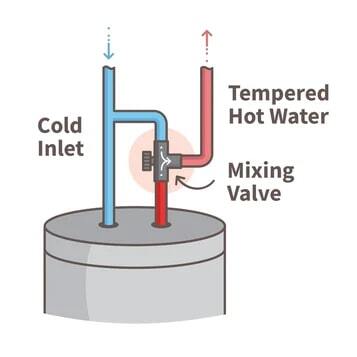
Mixing valves control the water temperature coming from your water heater. They mix hot and cold water to keep the temperature safe and steady. Different types of mixing valves serve different needs and setups. Knowing each type helps you pick the right one for your home or project.
Thermostatic Mixing Valves
Thermostatic mixing valves keep water at a set temperature. They automatically adjust the mix of hot and cold water. This prevents scalding and saves energy by avoiding too-hot water. These valves are common in homes, schools, and hospitals.
Pressure-balancing Valves
Pressure-balancing valves maintain water pressure balance. They stop sudden temperature changes when water pressure shifts. For example, if someone flushes a toilet, the valve keeps the shower temperature steady. These valves are popular in showers and faucets.
Manual Mixing Valves
Manual mixing valves require you to adjust hot and cold water manually. They are simple and less expensive than other types. These valves work well in small systems or where precise control is not needed.
Tools And Materials Needed
Installing a water heater mixing valve needs careful preparation. Gathering the right tools and materials ensures a smooth job. This section outlines what you need for a safe and effective installation.
Essential Tools
Start with basic plumbing tools. A pipe wrench helps tighten and loosen fittings. Adjustable wrenches fit various sizes of nuts and bolts. A pipe cutter makes clean cuts on copper or plastic pipes. Use Teflon tape to seal threaded connections. A screwdriver set is necessary for securing valve components. A bucket and towels catch any water spills during work.
Recommended Valve Types
Choose a thermostatic mixing valve for consistent water temperature control. These valves mix hot and cold water safely. Pressure-balanced valves also protect against sudden temperature changes. Select valves with anti-scald features for added safety. Make sure the valve matches your water heater’s size and flow rate. Check for certified products to ensure quality and reliability.
Safety Gear
Wear gloves to protect hands from sharp edges and hot surfaces. Safety goggles keep your eyes safe from debris or splashes. Use work boots with good grip to avoid slips. Have a mask handy if working in dusty or poorly ventilated areas. Proper safety gear reduces the risk of injury during installation. Always prioritize safety before starting any plumbing task.
Step-by-step Installation Process
Installing a water heater mixing valve improves safety and comfort. This valve mixes hot and cold water to prevent scalding. Follow these clear steps to install the valve correctly. Each step is easy to understand and important for proper function.
Shutting Off Water Supply
First, turn off the main water supply to the heater. This stops water from flowing during installation. Locate the valve near your heater and close it fully. Open a hot water faucet to drain pressure. This step prevents leaks and accidents.
Draining The Water Heater
Next, drain the water heater tank. Connect a hose to the drain valve at the bottom. Direct the hose to a safe drainage area. Open the valve and let water flow out. Wait until the tank is empty before moving to the next step.
Installing The Valve
Remove the old mixing valve if there is one. Attach the new mixing valve to the water heater outlet. Tighten all connections securely with a wrench. Use plumber’s tape on threads to avoid leaks. Make sure the valve is upright and stable.
Adjusting Temperature Settings
Set the mixing valve to the desired temperature. Use a screwdriver to turn the adjustment screw. Aim for a safe temperature between 120°F and 130°F. This setting prevents burns and saves energy. Check the manual for exact instructions.
Testing The System
Turn the water supply back on slowly. Open a hot water faucet and check the flow. Look for leaks around the valve and connections. Feel the water temperature to ensure it is safe. Make adjustments if needed, then enjoy safe hot water.
Common Installation Mistakes
Installing a water heater mixing valve can be simple. Still, many make common mistakes. These errors cause poor water flow or temperature issues. Avoiding these mistakes saves time and money. It also keeps your water heater working well and safe.
Incorrect Valve Placement
Placing the valve in the wrong spot causes problems. The valve must be close to the water heater outlet. Far placement can cause water to cool before use. It leads to uneven water temperature. Correct placement ensures steady, safe water flow.
Improper Temperature Settings
Setting the valve temperature too high risks burns. Too low, and water won’t be warm enough. The ideal setting is usually around 120°F (49°C). This keeps water safe and comfortable. Proper settings also save energy and extend valve life.
Ignoring Manufacturer Instructions
Each valve has unique guidelines. Ignoring these can cause leaks or damage. Instructions cover installation steps, temperature limits, and maintenance tips. Following them ensures the valve works as designed. It prevents costly repairs and safety hazards.
Credit: www.ecicomfort.com
Maintenance Tips For Longevity
Proper care extends the life of your water heater mixing valve. Regular maintenance keeps it working well and safe. Small efforts prevent big problems later.
Follow easy steps to keep the valve clean and efficient. Check it often to catch issues early. Knowing when to replace the valve is key for safety.
Regular Inspection
Look at the valve every few months. Check for leaks or rust around the fittings. Ensure the valve mixes hot and cold water correctly. Listen for unusual noises. These signs show if the valve needs attention.
Cleaning Procedures
Turn off the water before cleaning. Remove any buildup or mineral deposits gently. Use a soft brush or cloth for cleaning. Avoid harsh chemicals that can damage the valve. Clean the valve parts to keep water flowing well.
When To Replace The Valve
Replace the valve if it leaks or fails to control water temperature. Frequent repairs mean it is time for a new valve. Old valves may not meet current safety standards. A fresh valve ensures safe and steady water flow.
Troubleshooting Common Issues
Troubleshooting common issues with water heater mixing valves helps keep your system working well. Small problems can cause big discomfort. Knowing what to check saves time and money. Below are typical issues and easy fixes.
Inconsistent Water Temperature
Water temperature changes too much during use. This issue can make showers cold or scalding hot. Check if the mixing valve is set correctly. Sediment or debris may block the valve. Cleaning or adjusting the valve often solves the problem. Also, verify the water heater’s thermostat settings.
Leaks And Drips
Leaks near the mixing valve cause water waste and damage. Loose connections or worn seals usually cause leaks. Tighten all fittings carefully. Replace any cracked or old washers. If leaks continue, the valve body may be damaged. Consider replacing the entire valve to stop leaks.
Valve Malfunction
A valve that does not open or close properly affects water flow. Mineral buildup can cause the valve to stick. Flush the valve to clear any deposits. Test the valve movement regularly. A faulty valve may need replacement to restore proper function. Always use valves compatible with your water heater model.

Credit: www.youtube.com
Benefits Beyond Safety
Installing a water heater mixing valve offers more than just safety. It improves daily comfort, helps save energy, and extends your water heater’s life. These benefits make the valve a smart addition to any home.
Improved Comfort
The valve keeps water temperature steady and comfortable. No sudden hot or cold bursts during showers. It balances hot and cold water perfectly for a smooth flow. This means no more waiting or adjusting taps repeatedly.
Energy Savings
The mixing valve allows setting a lower water heater temperature safely. Less hot water means less energy used to heat it. This reduces your utility bills over time. It helps your home use energy more wisely and efficiently.
Extended Water Heater Life
Lower water temperatures reduce stress on your water heater parts. The valve prevents overheating and damage to the tank. This leads to fewer repairs and longer equipment life. You get better value from your water heater investment.
Conclusion
Installing a water heater mixing valve keeps your water temperature safe. It stops scalding and helps save energy. The process is simple with the right tools and steps. Always check for leaks after installation. This small addition improves comfort in your home.
Take your time and follow instructions carefully. A well-installed valve works quietly for years. Enjoy steady, safe hot water every day.