Is your water heater making strange noises or causing unexpected leaks? If you’ve noticed water pooling near your thermal expansion tank, it could be leaking—and that’s a problem you don’t want to ignore.
Your thermal expansion tank plays a key role in keeping your water heater safe and working smoothly. When it starts leaking, it can lead to bigger issues like water damage, higher bills, and even a broken heater. You’ll discover why your expansion tank might be leaking, how to spot the signs early, and what steps you can take to fix it before it turns into a costly disaster.
Keep reading to protect your home and your wallet.
Causes Of Thermal Expansion Tank Leaks
Thermal expansion tanks are important parts of a water heater system. They help control the pressure when water heats up and expands. Sometimes, these tanks can start leaking. Understanding the causes of these leaks helps prevent damage and keeps the system working well.
Corrosion And Rust
Corrosion happens when metal parts react with water and air. Over time, rust forms on the tank’s surface. This weakens the metal, causing holes or cracks. These small openings let water leak out. Rust also damages the inside lining, making leaks more likely.
Loose Or Damaged Connections
Connections link the tank to the water system. If these fittings are loose or broken, water can escape. Vibrations or poor installation often cause loose connections. Damaged pipes or seals also lead to leaks. Tightening or replacing these parts stops water loss.
Excessive Pressure Build-up
Water expands when heated, increasing pressure inside the tank. Too much pressure stresses the tank walls and joints. This can create cracks or burst seals. A faulty pressure relief valve also causes pressure to rise. High pressure often causes leaks around the tank.
Faulty Or Worn Out Tank Components
Parts like the bladder or diaphragm inside the tank can wear out. Over time, these parts lose their ability to control pressure. Worn components allow water to escape through weak spots. Regular checks help spot these problems early. Replacing bad parts prevents leaks and damage.

Credit: www.genexuk.co.uk
Signs Of A Leaking Expansion Tank
The expansion tank in a water heater helps control pressure changes caused by heating water. A leaking expansion tank can cause several problems. Recognizing the signs early helps avoid costly repairs and water damage. Watch for these common symptoms that point to a leak.
Visible Water Drips Or Pools
Water around the expansion tank is a clear sign of a leak. Look for wet spots or puddles under or near the tank. Even small drips can indicate damage or corrosion. Check the floor and walls close to the water heater regularly.
Reduced Water Heater Efficiency
A leaking tank may cause your water heater to work harder. You might notice water takes longer to heat. Energy bills could rise without explanation. This happens because the system loses pressure and heat control.
Pressure Relief Valve Activation
The pressure relief valve opens to release excess pressure. Frequent or sudden activation signals a problem. A leaking expansion tank often leads to this issue. Pay attention if the valve releases water more than usual.
Unusual Noises From The Tank
Strange sounds like banging or knocking can come from a leaking tank. These noises result from pressure changes inside the tank. Listen carefully around your water heater, especially when it heats up. Noises may grow louder as the leak worsens.
Steps To Inspect The Expansion Tank
Inspecting the water heater thermal expansion tank is important to prevent leaks. This tank helps control pressure in your water heater system. Regular checks can catch problems early. Follow these steps to inspect the expansion tank carefully and keep your system safe.
Checking The Tank’s Physical Condition
Look at the tank for any visible signs of damage. Check for rust, dents, or cracks on the surface. Notice any wet spots or water dripping from the tank. These signs may mean the tank is leaking or failing.
Testing Air Pressure In The Tank
Turn off the water supply before testing the tank’s air pressure. Use a tire pressure gauge to measure the air side of the tank. The pressure should match the water system’s pressure, usually 12-15 psi. Low pressure can cause tank failure.
Examining Connection Points
Check where the expansion tank connects to the water heater. Look for corrosion or leaks around the fittings. Tighten loose connections using a wrench. Loose or damaged fittings often cause leaks.
Using A Pressure Gauge
Attach a pressure gauge to the drain valve of the water heater. Open the valve slightly to get a pressure reading. Compare this with the tank’s air pressure. A big difference may indicate a faulty expansion tank.
Fixing A Leaking Expansion Tank
Fixing a leaking expansion tank is important to keep your water heater working well. A leak can cause water damage and reduce the tank’s life. Small leaks can be fixed at home with simple steps. Larger problems might need a professional.
Start by checking the tank and connections. Find the exact place where water is coming from. This helps decide the best way to fix the leak. Some fixes are quick and easy, like tightening parts. Others may need new parts or cleaning inside the tank.
Tightening Loose Connections
Loose connections often cause leaks around the tank. Use a wrench to gently tighten all fittings. Check the pipe joints and valves. Tighten only until snug to avoid damage. After tightening, watch for any new leaks. This simple step solves many small leaks fast.
Replacing Damaged Components
Parts like valves and washers wear out over time. Look for cracks or rust on these parts. Replace any damaged components with new ones. Turn off water supply before removing parts. Use matching replacements for a secure fit. New parts stop leaks and keep the tank safe.
Flushing Sediment Buildup
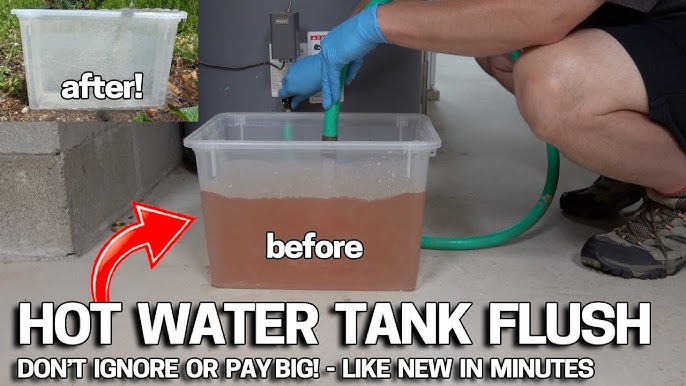
Sediment can build inside the tank and cause pressure. This pressure may lead to leaks or tank damage. Flush the tank by draining some water out. This removes sediment and lowers pressure. Regular flushing keeps the tank clean and leak-free.
When To Replace The Tank
Sometimes leaks mean the tank is beyond repair. Look for rust, cracks, or large water loss. If leaks keep coming back, replacement is best. A new tank saves money on repairs. It also protects your home from water damage.
Preventing Future Leaks
Preventing future leaks in your water heater’s thermal expansion tank saves time and money. Small leaks can turn into big problems fast. A few simple steps keep your system safe and working well. These tips help avoid leaks and extend your tank’s life.
Regular Maintenance Schedule
Check your expansion tank regularly. Look for signs of wear or corrosion. Clean the tank and surrounding pipes. Tighten loose connections. A regular maintenance routine catches problems early. It stops leaks before they start.
Installing Pressure Relief Valves
Pressure relief valves protect your tank from too much pressure. They release extra pressure safely. Make sure your tank has a working valve. Test the valve every few months. Replace faulty valves to prevent leaks and damage.
Monitoring Water Pressure Levels
High water pressure stresses your expansion tank. Use a pressure gauge to check pressure often. Keep pressure below the recommended limit. Install a pressure regulator if needed. Balanced pressure reduces tank strain and leak risk.
Choosing Quality Expansion Tanks
Buy expansion tanks made with durable materials. Look for tanks with good reviews and warranties. Cheap tanks may fail sooner and leak. A quality tank offers better protection and lasts longer. Invest in a reliable tank for peace of mind.
:max_bytes(150000):strip_icc()/water-heater-expansion-tank-information-2719063-hero-fd3398dd23da421a9438151ad2738e3b.jpg)
Credit: www.thespruce.com
When To Call A Professional
Knowing when to call a professional for a leaking water heater thermal expansion tank is important. Some leaks are easy to fix, but others need expert help. Acting fast can prevent bigger problems and save money.
Complex Leak Issues
Leaks that come from inside the tank need special tools and skills. If the leak spreads or the tank keeps leaking after a simple fix, call a professional. They can find hidden problems and fix them safely.
Safety Concerns
Water heater tanks hold hot water under pressure. Leaks can cause burns or water damage. If you smell gas or hear strange sounds near the tank, stop using it immediately. A professional can check for safety risks and fix the leak properly.
Warranty And Insurance Considerations
Many water heaters have warranties. Fixing the tank yourself may void the warranty. Insurance companies may need proof of professional repair to cover damage. Calling a licensed expert helps protect your warranty and insurance claims.

Credit: www.icecreamfactoryny.com
Frequently Asked Questions
What Causes A Water Heater Thermal Expansion Tank To Leak?
Leaks usually result from a damaged tank bladder or corrosion inside the tank. Excessive pressure can also cause leaks. Regular maintenance helps prevent these issues.
How Can I Fix A Leaking Thermal Expansion Tank?
First, turn off the water heater and drain the tank. Then, inspect for visible damage. Replace the tank if leaks persist or if the bladder is ruptured.
Is It Safe To Ignore A Leaking Expansion Tank?
No, ignoring leaks can cause water damage and reduce system efficiency. Prompt repair or replacement is essential to avoid costly problems.
How Do I Know If The Thermal Expansion Tank Is Faulty?
Signs include water leaks, inconsistent water pressure, and unusual noises near the tank. A professional inspection can confirm if the tank needs replacement.
Conclusion
A leaking water heater thermal expansion tank needs quick attention. Ignoring the leak can cause damage and waste water. Regular checks keep your system safe and efficient. Fix leaks early to avoid costly repairs later. Simple steps help maintain your home’s plumbing health.
Remember, a small problem can turn big fast. Stay alert and act soon for peace of mind.