Are you confident your American Standard water heater is set to the right temperature? Setting it too high can waste energy and even be dangerous, while setting it too low might leave you shivering during your morning shower.
Finding the perfect balance is easier than you think—and it can save you money and keep your family safe. You’ll discover exactly how to adjust your water heater temperature for comfort, efficiency, and peace of mind. Keep reading to learn the simple steps that make a big difference.
Credit: www.youtube.com
Optimal Temperature Range
Setting the right temperature on your American Standard water heater is important. The correct temperature helps save energy and keeps your family safe. It also ensures your water feels just right for daily use. This section explains the best temperature range for your water heater.
Recommended Settings
Most experts suggest setting the water heater between 120°F and 140°F. This range gives hot enough water for cleaning and bathing. It also helps stop bacteria from growing inside the tank. Setting the temperature too high can cause scalding. Too low, and the water might not be warm enough.
Energy Efficiency
Lower temperatures use less energy. Setting your water heater at 120°F can cut your energy bills. Water stays hot longer without extra heating. This saves electricity or gas over time. Efficient use means less waste and lower monthly costs.
Safety Considerations
High temperatures increase the risk of burns, especially for children. Keep the temperature below 140°F to avoid scalding. Use a thermometer to check the water temperature. Some models have built-in safety features to control heat. Always test the water before use to protect your family.

Credit: www.lowes.com
Adjusting The Thermostat
Adjusting the thermostat on your American Standard water heater helps control the water temperature. This ensures safe and comfortable hot water use. Proper adjustment also saves energy and extends the heater’s life.
Knowing how to change the temperature setting is useful. It lets you avoid water that is too hot or too cold. Follow simple steps to adjust the thermostat correctly and safely.
Locating The Temperature Control
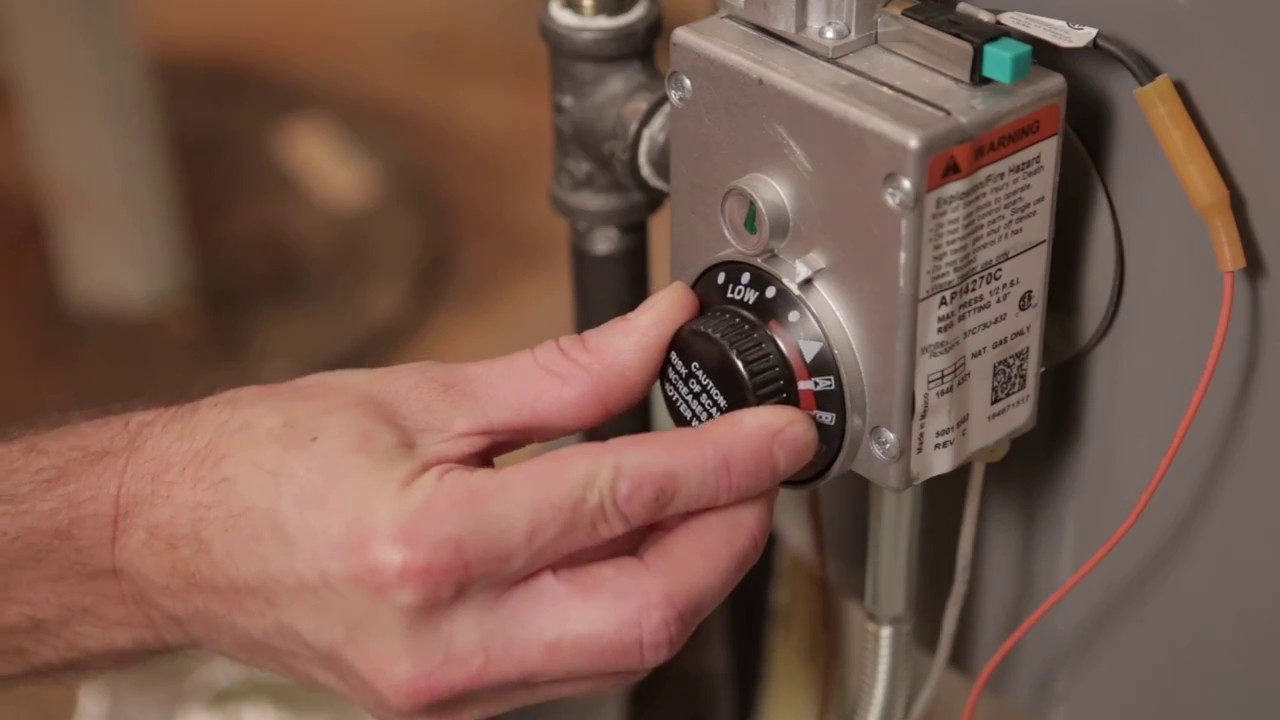
Find the thermostat behind the access panel on the water heater. Remove the panel carefully. You may see insulation covering the thermostat. Pull back the insulation to see the temperature dial or digital control.
Step-by-step Adjustment Guide
Turn off the power to the water heater first. This is important for safety. Use a flathead screwdriver to turn the dial. Adjust the temperature to your desired setting. For most homes, 120°F is safe and efficient.
Replace the insulation and panel after adjusting. Turn the power back on. Wait a few hours for the water to reach the new temperature before testing it.
Tools Needed
You need a flathead screwdriver to adjust the dial. Use a voltage tester to ensure the power is off. Wear gloves for protection when handling insulation. Have a step ladder if the heater is mounted high.
Common Temperature Settings
Understanding common temperature settings on American Standard water heaters helps you get the best use. It ensures safety, comfort, and efficiency in your home. Setting the right temperature saves energy and avoids risks like scalding or bacteria growth.
Default Factory Setting
Most American Standard water heaters come set at 120°F. This temperature is safe for daily use. It prevents burns and keeps energy use low. The default setting works well for most families without any change.
Settings For Different Uses
For dishwashers, 140°F may be needed to clean well. Showers usually feel comfortable between 110°F and 120°F. Lower settings suit hand washing or delicate cleaning. Adjust the temperature based on your home’s needs.
Impact On Water Usage
Higher temperatures use more energy and water. Lower settings reduce energy bills and save water. Proper temperature helps avoid wasting hot water. It balances comfort with cost and environmental care.
Credit: www.reddit.com
Health And Safety Risks
Setting the right temperature on your American Standard water heater is very important for health and safety. Incorrect settings can cause serious risks. These include burns from hot water and the growth of harmful bacteria. Understanding these risks helps protect your family.
Simple steps can reduce dangers and keep water safe. Knowing how to adjust your heater properly makes a big difference. Below are key risks and safety tips to keep in mind.
Risk Of Scalding
Hot water above 120°F can cause burns quickly. Children and older adults are at higher risk. Even a few seconds of contact with very hot water can injure skin. Set your water heater to 120°F or lower to prevent scalding. Test water temperature before use to stay safe.
Bacterial Growth Prevention
Water below 120°F may allow bacteria to grow. One dangerous type is Legionella, which causes lung infections. Keeping water at or above 120°F helps kill bacteria. Flush water heater regularly to remove sediment that holds bacteria. Balance safety and bacteria control by maintaining the right temperature.
Child Safety Tips
Children are sensitive to hot water burns. Set your water heater to a safe temperature for them. Use anti-scald devices on faucets and showerheads. Teach kids to test water before use. Always supervise young children around hot water sources.
Troubleshooting Temperature Issues
Troubleshooting temperature issues with your American Standard water heater helps maintain comfort and safety. Problems like water being too hot or too cold need quick attention. Identifying the root cause saves time and money. Below are common issues and easy checks.
Water Too Hot Or Too Cold
Water temperature that feels wrong can be frustrating. If water is too hot, lower the thermostat setting. Most heaters work best at 120°F (49°C). Too cold water might mean the thermostat is set too low or the heater is too small.
Check for any recent changes in temperature settings. Make sure the thermostat dial is not stuck or broken. Also, flush the tank to remove sediment, which can affect heating.
Thermostat Malfunctions
A faulty thermostat causes inconsistent water temperatures. Signs include sudden temperature changes or no heat at all. Test the thermostat by adjusting the temperature and watching the water response.
Use a multimeter to check for electrical issues if you know how. Thermostat replacement may be necessary when it fails. Old water heaters often face this problem more.
When To Call A Professional
Some problems need expert help. Call a technician if you smell gas, see leaks, or hear strange noises. Electrical issues or major thermostat repairs require professional skills.
Regular checkups keep your water heater safe and efficient. Professionals can spot hidden issues and extend the heater’s life. Don’t risk safety for small savings.
Maintaining Your Water Heater
Maintaining your American Standard water heater is key to its long life and efficiency. Proper care keeps the water temperature safe and consistent. It also helps avoid costly repairs and keeps energy bills low. Simple steps can make a big difference in how well your heater works.
Regular Temperature Checks
Check the water heater temperature regularly. The ideal setting is usually 120 degrees Fahrenheit. This temperature saves energy and prevents scalding. Use a thermometer to test the hot water from a faucet. Adjust the thermostat if the water is too hot or too cold. Regular checks ensure safe and comfortable water temperature.
Flushing The Tank
Flush the water heater tank every six months. Sediment builds up inside the tank over time. This reduces the heater’s efficiency and can cause damage. To flush, turn off the heater and let the water cool. Open the drain valve and let the water flow out. This removes sediment and keeps the tank clean. Flush the tank to improve water flow and heating.
Inspecting The Thermostat
Inspect the thermostat regularly for proper function. A faulty thermostat can cause temperature problems. Look for signs of damage or wear. Test the thermostat by adjusting the temperature and checking water heat. Replace the thermostat if it does not respond correctly. A well-working thermostat keeps your water heater safe and efficient.
Frequently Asked Questions
What Is The Ideal Temperature For American Standard Water Heaters?
The ideal setting is 120°F. This prevents scalding and saves energy. It balances safety and comfort effectively.
How Do I Adjust The Temperature On My American Standard Water Heater?
Locate the thermostat dial on the heater. Turn it to your desired setting, usually between 120°F and 140°F. Use a flathead screwdriver if needed.
Why Should I Not Set My Water Heater Above 140°f?
Temperatures above 140°F increase scalding risk and energy costs. It can also shorten the heater’s lifespan. Keeping it below is safer and efficient.
How Often Should I Check My Water Heater’s Temperature Setting?
Check the temperature every 6 months. Regular checks ensure consistent performance and safety. Adjust if water feels too hot or cold.
Conclusion
Setting the right temperature on your American Standard water heater saves energy and keeps you safe. A temperature of 120°F usually works well for most homes. It prevents scalding and reduces bacteria growth. Adjust settings carefully to fit your needs.
Regular checks help keep the heater efficient. Simple steps lead to better comfort and lower bills. Keep your water heater in good shape for long-lasting use. Small changes make a big difference in daily life.