Is your water heater making a whining noise that just won’t quit? That high-pitched sound might seem harmless at first, but it could be a sign of a bigger problem waiting to cause trouble.
You rely on your water heater every day, and when it starts acting up, it can disrupt your comfort and even lead to costly repairs. You’ll discover why your water heater is whining and what you can do to fix it before things get worse.
Keep reading—you’ll want to know these simple tips to protect your home and your wallet.
Common Causes Of Whining Noise
Whining noises from a water heater can be annoying and worrying. Understanding common causes helps solve the problem quickly. Several factors often lead to these sounds.
Some reasons come from inside the water heater. Others relate to the water flow or parts that wear out. Identifying the cause saves time and money.
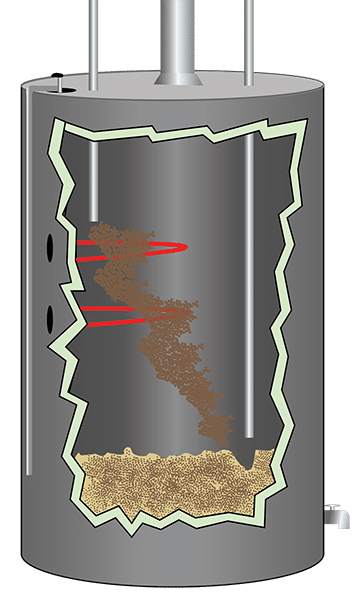
Sediment Buildup
Minerals in water settle at the tank bottom. This sediment creates a barrier between water and the heating element. It causes popping or whining sounds. Over time, the sediment hardens and makes noises louder.
Water Pressure Issues
High water pressure forces water through pipes too fast. This speed makes a whining or humming noise. Pressure that is too low can also cause strange sounds. Checking and adjusting pressure helps reduce noise.
Faulty Heating Elements
Heating elements heat the water inside the tank. If they break or wear out, they can buzz or whine. Faulty elements may also cause uneven heating. Replacing damaged elements stops the noise and improves heating.
Pump And Valve Problems
Pumps move water through the system. Valves control water flow. If either is faulty or worn, whining sounds appear. A stuck or loose valve often causes a high-pitched noise. Fixing or replacing these parts quiets the water heater.
Air In The System
Air trapped in pipes or the heater causes noise. The air moves with water and creates a whining sound. Bleeding the system removes trapped air. This simple step often stops the noise quickly.
Credit: smcontinental.com
Signs Your Water Heater Needs Attention
Water heaters are vital for comfort, especially during cold days. Signs your water heater needs attention often show up early. Catching these signs can save you from big repairs or sudden breakdowns. Watch closely for changes in sound, temperature, water flow, and appearance. These clues help you know when to act fast.
Unusual Noises
A whining or humming sound is not normal. These noises often mean mineral build-up inside the tank. Sediment can cause the heater to work harder. Strange sounds might also signal loose parts or a failing heating element. Pay attention to any new or loud noises.
Inconsistent Water Temperature
Water that suddenly gets too hot or cold is a warning. This can mean the thermostat is failing. A broken heating element can also cause uneven temperatures. Expect steady warmth from your heater. If you don’t get it, the heater needs checking.
Reduced Water Flow
Low water pressure from your taps might relate to the heater. Sediment build-up can clog pipes inside the tank. This slows down water flow to your home. Notice any drop in water strength. It could be a sign of internal blockages.
Leaks And Corrosion
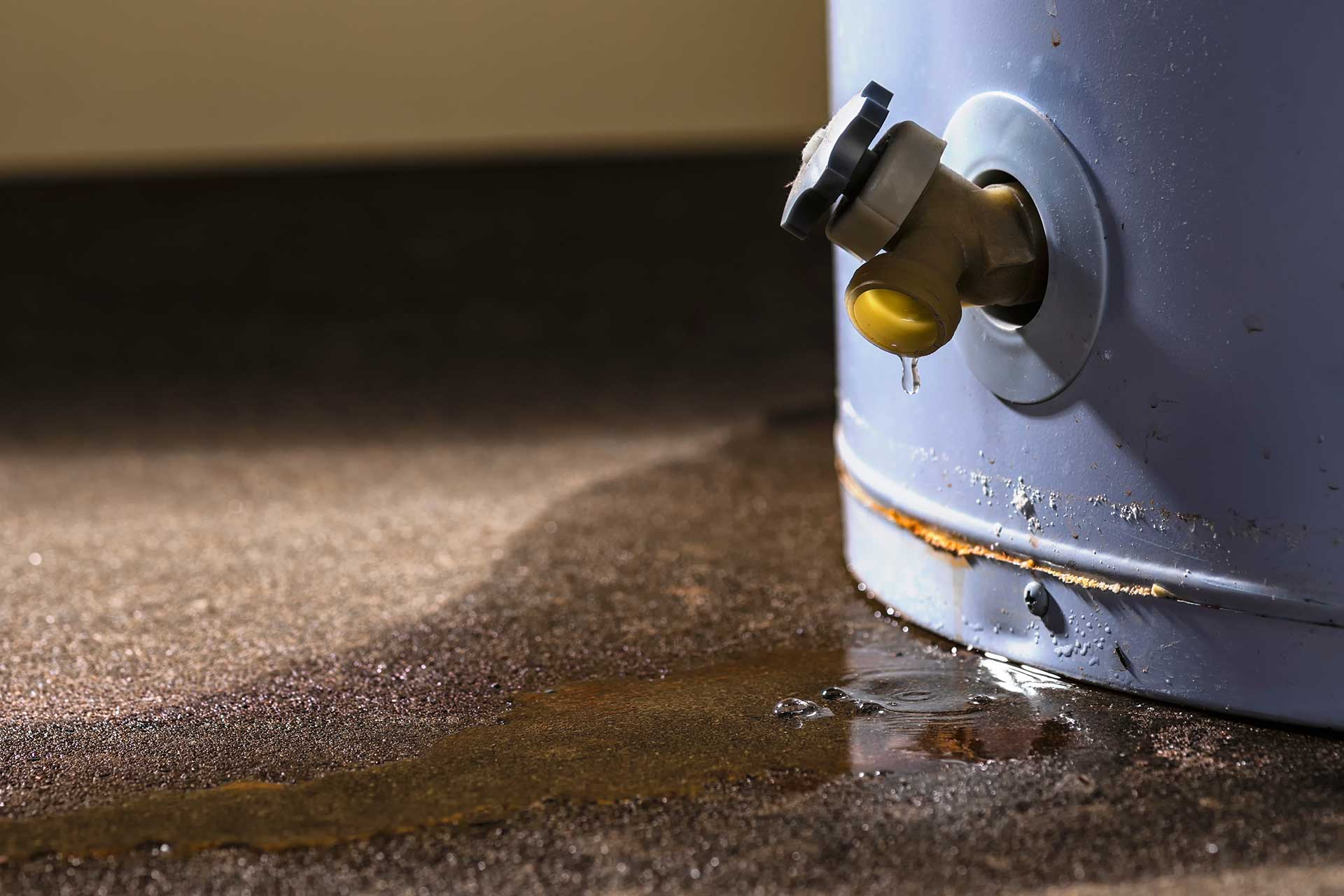
Water pooling around the heater is a clear issue. Leaks can come from cracks or loose connections. Rust or corrosion on the tank surface means damage. Corrosion weakens the tank and can cause leaks. Act quickly if you spot any water or rust.
Quick Fixes For Whining Noise
Whining noises from your water heater can be annoying and worrying. Luckily, many causes have simple fixes you can do yourself. These quick actions help reduce or stop the noise fast. Save money and avoid waiting for a professional.
Flushing The Tank
Mineral build-up inside the tank causes noise. Flushing removes these deposits. Turn off the heater and cold water supply. Attach a hose to the drain valve. Drain the tank until clear water flows. Flush with fresh water to clean fully. This stops noise caused by sediment.
Adjusting Water Pressure
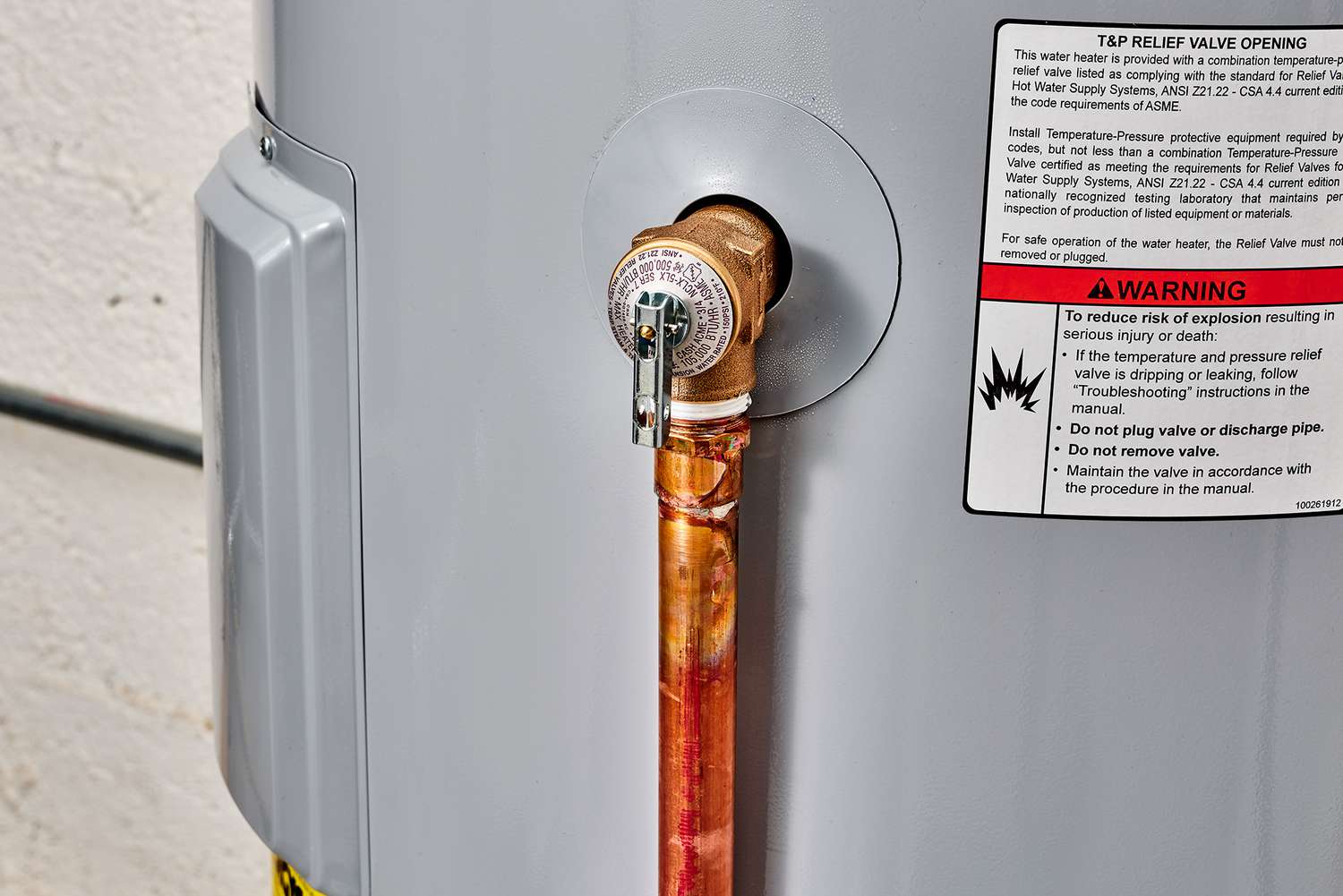
High water pressure can cause whining sounds. Check your home’s water pressure with a gauge. Ideal pressure is between 40 and 60 psi. Use a pressure-reducing valve to lower it. Lower pressure eases strain on the heater. Noise often reduces quickly after adjustment.
Replacing Heating Elements
Old or damaged heating elements make noise. Turn off power and drain the tank. Remove the element and inspect it for damage. Replace with a new element matching your model. Reinstall and refill the tank. This fix stops noises caused by faulty parts.
Bleeding Air From The System
Air trapped in pipes can cause whining sounds. Open faucets to release trapped air. Start with the highest faucet in your home. Let water run until steady flow appears. This clears air pockets causing noise. Repeat as needed for quiet water flow.
Credit: healingwithhorsesranch.org
When To Call A Professional
Knowing when to call a professional for a whining water heater saves time and prevents damage. Some noises hint at simple fixes. Others may signal serious problems needing expert care.
Ignoring these signs can lead to bigger repairs or safety risks. Learn when it is best to stop DIY and get help from a skilled technician.
Persistent Noise After Fixes
Sometimes, you try cleaning or flushing the tank, but noise stays. This persistence means the problem is deeper. A pro can find hidden issues causing the sound. They have tools and skills to fix it right.
Complex Mechanical Issues
Whining can come from parts like valves or heating elements. These parts are tricky to fix without training. A professional knows how to check and replace them safely. Trying to fix complex parts alone may cause more damage.
Safety Concerns
Water heaters use gas or electricity. Faulty parts may create leaks or sparks. These risks can harm your home or health. A technician ensures repairs meet safety rules. Call a pro if you smell gas or see water leaks.
Preventive Tips To Avoid Noise
Preventing your water heater from making whining noises saves time and money. Simple steps keep your heater quiet and working well. These tips help stop noise before it starts.
Regular Maintenance
Check your water heater at least once a year. Clean the tank to remove sediment buildup. Sediment causes noise and lowers efficiency. Inspect heating elements and replace if damaged. Tighten any loose parts. These small tasks keep your heater running smooth and silent.
Water Softening Solutions
Hard water creates minerals that build up inside the heater. This buildup leads to loud noises. Use a water softener to reduce minerals. Soft water protects your heater and pipes. It also improves water quality in your home. A softening system extends the heater’s life and cuts noise.
Monitoring System Performance
Keep an eye on your water heater’s performance. Watch for changes in water temperature or pressure. Strange sounds often signal a problem. Use a pressure gauge to check pressure levels. Lower or higher pressure can cause noise. Early detection helps fix issues fast. Regular checks keep your heater calm and efficient.
Credit: philbarnettplumbing.com
Conclusion
A whining noise from your water heater can signal a problem. Acting quickly can save you from bigger issues. Regular checks help keep your heater running smoothly. Simple fixes often stop the noise and improve performance. Don’t ignore strange sounds; they warn you to take care.
Staying aware protects your home and comfort. Keep your water heater in good shape for peace of mind.