Is your Whirlpool gas water heater acting up, leaving you with cold showers and frustration? A sensor failure might be the hidden culprit behind this problem.
When your water heater’s sensor stops working properly, it can disrupt the whole system, causing inconsistent water temperatures or even complete shutdowns. You’ll discover how to spot the signs of a sensor failure, why it happens, and what you can do to fix it quickly.
Keep reading to make sure your hot water never runs out when you need it most.
Credit: www.icecreamfactoryny.com
Common Causes Of Sensor Failure
Sensors in Whirlpool gas water heaters can fail for several reasons. Understanding these causes helps in fixing the problem quickly. Sensors play a key role in safety and efficiency. When they fail, the heater may stop working or act unpredictably.
Wear And Tear Over Time
Sensors face constant heat and pressure. Over months and years, parts break down. Metal and wires weaken and lose function. This slow damage reduces sensor accuracy. It may stop sensing temperature or flame properly.
Electrical Connection Issues
Loose or corroded wires cause sensor failure. Poor contact interrupts sensor signals. Vibrations or movement can loosen connections. Electrical shorts may damage sensor parts. Regular checks prevent these issues.
Exposure To Moisture
Water and steam harm sensor components. Moisture causes rust and corrosion. Sensors near water can short circuit. Dampness affects sensor readings. Good ventilation and sealing help avoid moisture damage.
Faulty Manufacturing
Some sensors have defects from the factory. Weak parts or poor assembly lead to early failure. These sensors fail faster than usual. Using genuine Whirlpool parts reduces this risk.
Signs Of A Failing Sensor
Sensor problems in a Whirlpool gas water heater can cause many issues. A failing sensor may stop the heater from working properly. It can affect water temperature and safety. Detecting sensor failure early saves money and avoids cold showers. Watch for key signs that show sensor trouble.
Inconsistent Water Temperature
One common sign is water temperature that changes often. Hot water may suddenly turn cold or too hot. This happens because the sensor does not read temperature correctly. The heater then heats the water unevenly. You might notice the water feels different during the same shower.
Frequent Heater Shutdowns
The heater may turn off by itself many times. A bad sensor can cause the system to shut down for safety. It stops the heater from working to avoid damage. These shutdowns happen randomly, making hot water unavailable. This issue interrupts your daily routine.
Error Codes Displayed
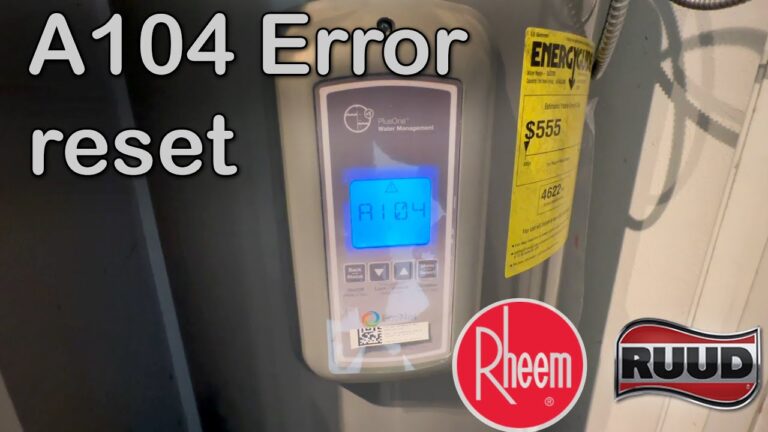
Your Whirlpool heater may show error codes on the control panel. These codes help identify sensor problems quickly. Codes like “E1” or “E2” often point to sensor failure. Checking the manual explains what the codes mean. Ignoring these codes can cause bigger problems.
Unusual Noises From Heater
Strange sounds coming from the heater can be a warning. Clicking or buzzing noises may mean the sensor is failing. The sensor might send wrong signals to the gas valve. This causes the heater to operate irregularly. Noises should not be ignored and need inspection.
Safety Precautions Before Repairs
Working on a Whirlpool gas water heater sensor requires care. Safety must come first to avoid accidents and damage. Taking simple safety steps protects you and your home. Follow these precautions before starting any repair work.
Turning Off Gas Supply
Stop the gas supply before touching the heater. Find the main gas valve near the heater. Turn the valve clockwise to close it. This stops gas flow and lowers fire risk. Never skip this step, even for small repairs.
Disconnecting Power
Unplug the heater or turn off its circuit breaker. This prevents electric shocks while you work. Gas and electricity together can cause serious harm. Make sure the power is completely off before proceeding.
Ventilation Requirements
Work in a well-ventilated area to avoid gas buildup. Open windows and doors to let fresh air in. Gas leaks can cause poisoning or explosions. Good airflow keeps the environment safe during repairs.
Step-by-step Sensor Troubleshooting
Sensor failure can cause your Whirlpool gas water heater to stop working properly. Troubleshooting the sensor helps find the exact problem. Follow these clear steps to check and fix the sensor safely. This guide helps you save time and avoid unnecessary repairs.
Inspecting Sensor Connections
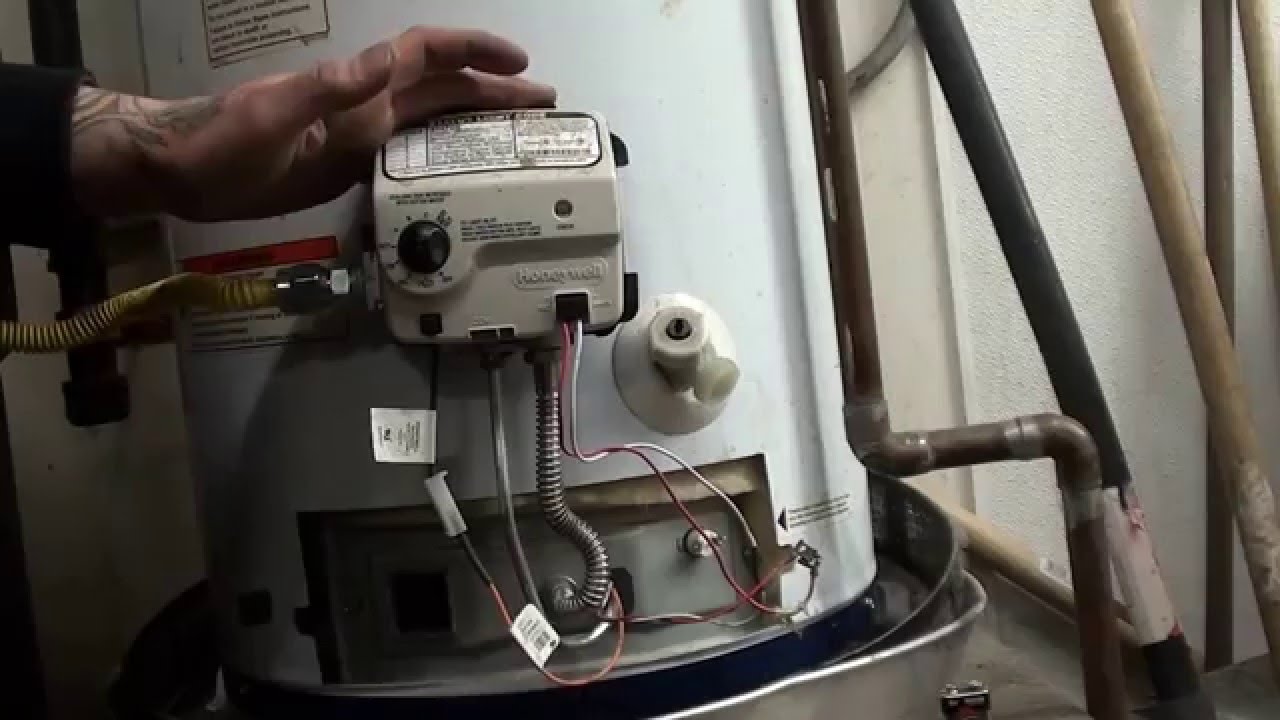
Start by turning off the power and gas supply. Locate the sensor wires near the heater’s burner. Check each wire for loose or broken connections. Make sure wires fit tightly in their terminals. Look for signs of corrosion or dirt on connectors. Fix any loose wires by pushing them back or tightening screws. Clean corroded terminals carefully to restore contact.
Testing Sensor With Multimeter
Use a multimeter to check sensor resistance. Set the multimeter to the ohm setting. Disconnect the sensor wires from the heater. Place the multimeter probes on the sensor terminals. A normal sensor shows a specific resistance range (check your manual). Very high or low readings mean the sensor is faulty. Replace the sensor if the readings are outside the normal range.
Cleaning Sensor Components
Turn off all power sources before cleaning. Remove the sensor from the water heater. Use a soft cloth or fine sandpaper to clean sensor surfaces. Remove any dirt, soot, or rust that may block sensor signals. Avoid using water or harsh chemicals on the sensor. After cleaning, reinstall the sensor carefully. Check if the heater works properly after cleaning.
Quick Fixes To Restore Sensor Function
Sensor failure in a Whirlpool gas water heater can stop hot water flow. Quick fixes can help restore sensor function fast. These simple steps save time and avoid costly repairs. You can try these fixes safely at home. Keep safety in mind and always turn off the power before starting any work.
Resetting The Heater
Start by resetting the water heater. Find the reset button, usually near the thermostat or control panel. Press and hold the button for a few seconds. Release it and wait for the heater to restart. This can clear minor sensor errors and restore normal function. Resetting often fixes temporary glitches with the sensor.
Replacing Loose Wiring
Loose wiring may cause sensor failure. Check the wires connected to the sensor and control board. Look for any loose or disconnected wires. Tighten or reconnect them carefully. Use a screwdriver if needed. Secure wiring ensures proper sensor signals and heater operation. Loose wires often cause false error messages or no heat.
Temporary Sensor Bypass Methods
A temporary sensor bypass can keep water heating until a permanent fix. This method involves disconnecting the sensor and connecting the wires directly. It tricks the heater into thinking the sensor works. Use this only as a short-term solution. Bypassing the sensor can be unsafe and may cause overheating. Replace or repair the sensor as soon as possible after bypassing.
When To Replace The Sensor
The sensor in your Whirlpool gas water heater is key for safe and efficient operation. Knowing when to replace it helps avoid bigger problems. A faulty sensor can cause the heater to stop working or become unsafe.
Replacing the sensor at the right time keeps your water heater running well. Watch for clear signs that the sensor is failing. Choose the correct replacement part and install it carefully.
Signs Sensor Is Beyond Repair
Water heater won’t ignite or stays off unexpectedly. Flames flicker or shut down often. Sensor shows visible damage or corrosion. Water temperature fluctuates without reason. Frequent error codes related to the sensor appear. These signs mean the sensor must be replaced.
Choosing The Right Replacement Sensor
Pick a sensor made specifically for Whirlpool gas heaters. Check the model number on your water heater. Use genuine parts to ensure safety and compatibility. Avoid cheap or generic sensors that may fail quickly. Confirm the sensor matches your heater’s fuel type and size.
Installation Tips
Turn off the gas and power before starting. Remove the old sensor carefully without damaging wires. Clean the sensor area to remove dirt and debris. Connect the new sensor securely and check wiring. Test the water heater after installation for proper function. If unsure, call a professional for help.
Preventing Future Sensor Failures
Preventing future sensor failures in your Whirlpool gas water heater is vital. Sensors control the heater’s safety and efficiency. A failed sensor can cause heating problems or unsafe conditions. Taking steps to protect sensors helps keep your water heater running well for years.
Regular Maintenance Schedule
Set a regular maintenance schedule for your water heater. Check sensors for dirt, damage, or wear. Clean sensors gently using a soft cloth. Replace sensors as recommended by the manufacturer. Regular checks catch issues early before they cause failure.
Protecting Sensor From Moisture
Keep sensors dry at all times. Moisture can corrode sensor parts and cause errors. Install your water heater in a dry area or use covers. Fix leaks or drips near the heater quickly. Moisture protection extends sensor life and prevents malfunctions.
Avoiding Power Surges
Power surges can damage electronic sensors inside the heater. Use surge protectors to shield your water heater. Avoid plugging the heater into unstable electrical outlets. Stable power supply reduces sensor stress and failure risk. Protecting sensors from surges improves heater reliability.
:max_bytes(150000):strip_icc()/replacing-water-heater-thermocouple-flame-sensor-1824918-02-c867831fe43644f0ae9b04344e18f64f.jpg)
Credit: www.dentalhousecr.com

Credit: www.reddit.com
Frequently Asked Questions
What Causes Whirlpool Gas Water Heater Sensor Failure?
Sensor failure often results from dirt buildup, corrosion, or wiring issues. Over time, wear and tear can damage the sensor. Faulty connections or power problems also contribute to sensor malfunction in Whirlpool gas water heaters.
How Do I Know If My Sensor Is Failing?
Common signs include inconsistent water temperature, pilot light issues, and error codes. The heater may turn off unexpectedly or fail to ignite. These symptoms usually indicate sensor or related component failure.
Can I Fix Whirlpool Sensor Failure Myself?
Minor cleaning or resetting may help, but sensor replacement often requires professional service. Incorrect repairs risk safety and appliance damage. Always follow manufacturer guidelines and consider expert assistance for sensor issues.
How Much Does It Cost To Replace The Sensor?
Replacement costs vary between $100 and $300, including parts and labor. Prices depend on model and service provider. Early diagnosis can prevent higher repair expenses.
Conclusion
Sensor failure in a Whirlpool gas water heater can cause many issues. It stops the heater from working safely and efficiently. Regular checks help catch problems early. Replace faulty sensors to keep hot water flowing. Proper care extends your water heater’s life.
Simple fixes save money and avoid big repairs. Stay alert to signs like no hot water or error codes. Taking quick action keeps your home comfortable and safe.